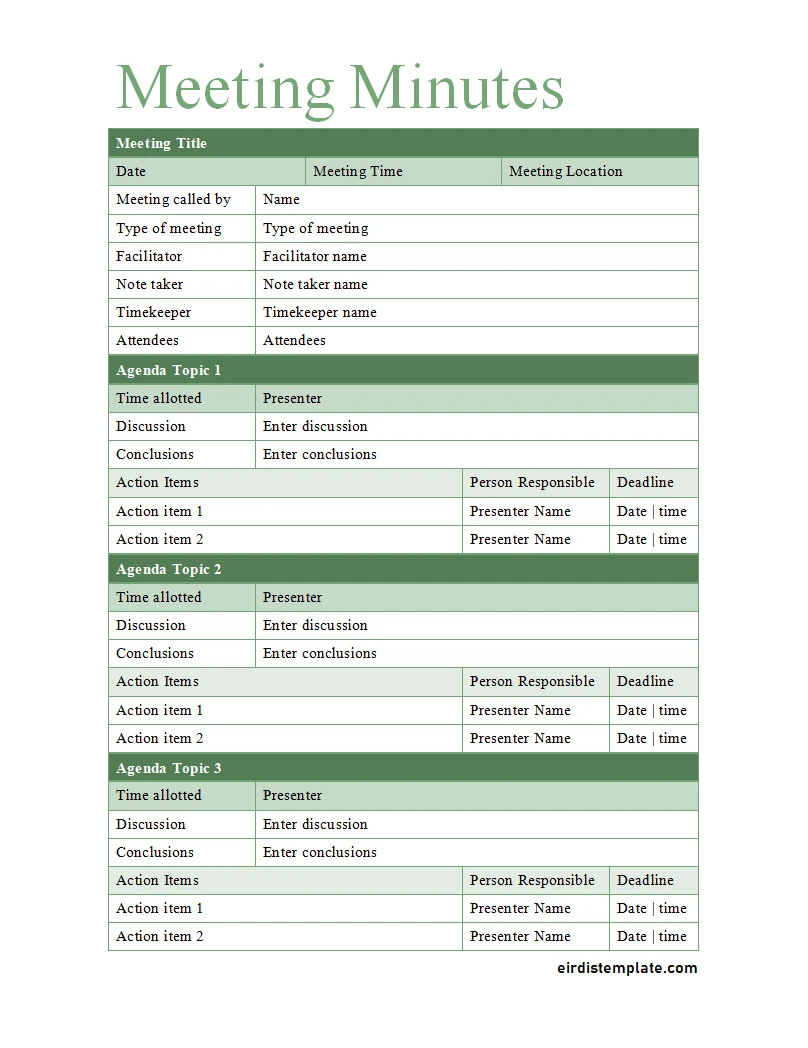
Meeting minutes are a crucial part of any successful meeting. They serve as a record of what was discussed, decided, and agreed upon during the meeting. Whether you are a project manager, team leader, or just a participant in a meeting, understanding the importance of meeting minutes is essential.
In this comprehensive guide, we will explore everything you need to know about meeting minutes – what they are, why they are important, what to include, how to take effective meeting minutes, and tips for successful minute-taking.
What are Meeting Minutes?
Meeting minutes are a written or recorded documentation that captures the essential details of a meeting. They serve as an official record of the discussions, decisions, and actions taken during a meeting. Meeting minutes are typically taken by a designated individual known as the minute-taker or secretary. The minutes are then distributed to all participants and stakeholders for review and reference.
Meeting minutes are not verbatim transcripts of the meeting, but rather a concise summary of the key points discussed. They include details such as the date and time of the meeting, a list of attendees, agenda items, decisions made, action items assigned, and any follow-up tasks. Meeting minutes are crucial for ensuring accountability, tracking progress, and providing clarity on the outcomes of a meeting.
Why are Meeting Minutes Important?
Meeting minutes play a vital role in the success of a meeting and the overall progress of a project or organization. Some key reasons why meeting minutes are important include:
– Documentation: Meeting minutes provide a written record of what transpired during a meeting, ensuring that important details are not forgotten or overlooked.
– Accountability: By documenting decisions and action items, meeting minutes hold participants accountable for their roles and responsibilities.
– Communication: Meeting minutes serve as a communication tool, helping to disseminate information to all stakeholders and keep them informed about the meeting outcomes.
– Legal Protection: In case of disputes or misunderstandings, meeting minutes can serve as a legal record that can be referred to for clarification.
– Reference Tool: Meeting minutes act as a reference tool for future meetings, allowing participants to track progress, follow up on action items, and ensure continuity.
Overall, meeting minutes are essential for maintaining transparency, facilitating effective communication, and driving productivity in any organization.
What to Include in Meeting Minutes
When taking meeting minutes, it is important to include the following key elements:
– Date, Time, and Location of the Meeting: Provide the basic logistical details to identify the meeting.
– List of Attendees: Include the names of all participants present at the meeting, noting any absentees and their reasons for absence.
– Agenda Items: Summarize the agenda topics and discussions in the order they were addressed during the meeting.
– Decisions Made: Clearly document any decisions or resolutions reached during the meeting, along with the rationale behind them.
– Action Items: Outline the specific tasks assigned to individuals, including deadlines and responsibilities.
– Follow-Up Tasks: Record any follow-up tasks or further actions that need to be taken post-meeting.
– Next Steps: Provide an overview of the next steps to be taken and any upcoming meetings or milestones.
By including these elements in your meeting minutes, you can ensure a comprehensive and accurate record of the meeting proceedings.
How to Take Effective Meeting Minutes
Taking effective meeting minutes requires preparation, attentiveness, and organization. Here are some tips to help you improve your minute-taking skills:
– Prepare in Advance: Review the meeting agenda and familiarize yourself with the topics to be discussed.
– Listen Actively: Pay close attention to the discussions and capture key points accurately.
– Use a Template: Utilize a meeting minutes template to ensure consistency and structure in your notes.
– Be Concise: Focus on capturing essential information without including unnecessary details.
– Clarify Ambiguities: If something is unclear, don’t hesitate to ask for clarification during the meeting.
– Summarize Discussions: Condense lengthy discussions into concise summaries to capture the main points.
– Proofread and Distribute: Review your meeting minutes for accuracy before distributing them to participants.
By following these tips, you can enhance the quality and effectiveness of your meeting minutes, making them a valuable resource for all stakeholders.
Tips for Successful Minute-Taking
To excel in minute-taking, consider the following tips:
– Practice Active Listening: Stay engaged and focused throughout the meeting to capture important details.
– Stay Neutral: Maintain an objective and impartial tone in your meeting minutes to accurately reflect the discussions.
– Use Clear Language: Avoid jargon and technical terms that may be confusing to readers.
– Organize Your Notes: Structure your meeting minutes in a logical format for easy reference.
– Follow Up: Ensure that action items and follow-up tasks are clearly documented and assigned to the appropriate individuals.
– Seek Feedback: Encourage participants to provide feedback on the meeting minutes to improve future documentation.
By implementing these tips, you can become a proficient minute-taker and contribute to the success of your meetings.
In conclusion, meeting minutes are a valuable tool for capturing the essence of meetings and ensuring that important information is documented and shared. By understanding the importance of meeting minutes, knowing what to include, how to take effective minutes, and following tips for successful minute-taking, you can enhance your minute-taking skills and contribute to more productive and organized meetings.
Remember, effective minute-taking is not just about recording information – it’s about creating a meaningful record that adds value to the meeting process.
Meeting Minutes Template – Word

- Free Editable Meeting Minutes Template - April 9, 2026
- Free Printable Mileage Log Template - April 8, 2026
- Free Printable Monthly Schedule Template - April 3, 2026
