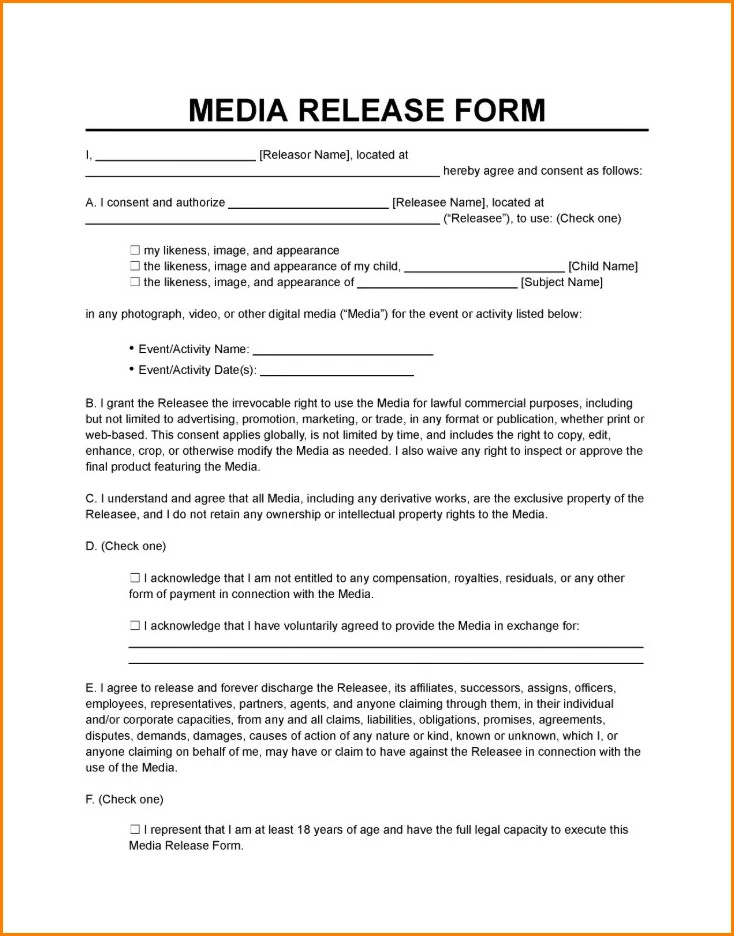
In today’s digital age, the use of images, videos, and personal information in media and promotional materials is more prevalent than ever. Whether you are a business owner, a content creator, or an event organizer, obtaining legal permission to use someone’s likeness or information is crucial to avoid potential legal issues. This is where a media release form, also known as a consent or permission form, comes into play.
What is a Media Release Form?
A media release form is a legal document that obtains permission from an individual to use their image, likeness, or other personal information in media or promotional materials.
By signing the form, the individual grants the user of the material the right to use their image or data in specified ways, while also protecting the user from potential legal issues related to copyright, privacy, and publicity rights.
Types of Content in a Media Release Form
A media release form typically covers a wide range of content, including photographs, videos, audio recordings, written testimonials, and personal information such as names, addresses, and contact details. It is important to be specific about the type of content that will be used and how it will be used to ensure clarity and transparency.
Photographs
Photographs are one of the most common types of content covered in a media release form. Whether for advertising campaigns, social media posts, or website content, obtaining legal permission to use someone’s photograph is essential to avoid potential legal issues. This includes ensuring that the individual is aware of how their image will be used and for what purposes.
Videos
Videos are another popular form of content that may require a media release form. From promotional videos to event recordings, obtaining permission to use someone’s likeness in a video is crucial to protect against copyright infringement and privacy violations. The form should clearly outline how the video will be used and distributed to ensure compliance with legal regulations.
Audio Recordings
In some cases, businesses may need to obtain permission to use someone’s voice in an audio recording. This could include podcasts, radio advertisements, or voice-overs for video content. Including audio recordings in a media release form ensures that the individual is aware of how their voice will be used and allows them to consent to its usage.
Written Testimonials
Written testimonials are valuable marketing assets that can help build credibility and trust with potential customers. When using someone’s testimonial in marketing materials, it is important to have their permission to do so. Including written testimonials in a media release form ensures that the individual is aware of how their words will be used and allows them to approve their inclusion.
Personal Information
In addition to visual and auditory content, media release forms may also cover personal information such as names, addresses, and contact details. When using someone’s personal information in media or promotional materials, it is crucial to obtain their consent to do so. This helps protect the individual’s privacy rights and ensures that their information is used responsibly.
What to Include?
When drafting a media release form, there are several key elements that should be included to ensure that both parties are clear about the terms of the agreement. These elements help protect the rights of the individual and the user of the content, while also establishing a clear understanding of how the content will be used.
Purpose of Use
One of the most important aspects to include in a media release form is the purpose of use. Clearly outlining how the individual’s image or information will be used ensures that there are no misunderstandings about the intended use of the content. Whether it is for promotional materials, social media posts, or advertising campaigns, specifying the purpose helps set expectations for both parties.
Duration of Agreement
Another key element to include in a media release form is the duration of the agreement. This specifies how long the individual’s image or information can be used by the user of the content. By setting a clear timeframe for the agreement, both parties know when the permission expires and can plan accordingly for the future use of the content.
Limitations on Use
Including limitations on how the content can be used is essential in a media release form. This helps protect the individual from having their image or information used in ways that they did not agree to. By specifying any restrictions on the use of the content, such as prohibiting its use in certain contexts or with certain audiences, both parties can ensure that the agreement is respected.
Protection of Personal Information
Protecting the personal information of the individual is a crucial aspect of a media release form. This includes outlining how the individual’s personal information will be stored, used, and protected by the user of the content. By including provisions for data security and privacy protection, the form helps establish trust and transparency between the parties involved.
Signature of Consent
Finally, it is important to include a section in the media release form for the individual to sign and consent to the use of their image or information. This signature serves as legal proof that the individual has agreed to the terms of the agreement and has granted permission for their content to be used as specified. Without a signature of consent, the form may not hold up in a legal dispute.
Drafting a Media Consent and Release Form
When creating a media release form, it is essential to use clear and concise language that is easy for the individual to understand. The form should be written in plain language, avoiding legal jargon or complex terminology that may confuse the signer. By using simple language, both parties can understand their rights and responsibilities under the agreement.
Clarity and Specificity
Clarity and specificity are key when drafting a media release form. The form should clearly outline the terms of the agreement, including the purpose of use, duration of the agreement, limitations on use, and protection of personal information. Specificity helps avoid misunderstandings and ensures that both parties have a clear understanding of the agreement.
Legal Review
Before finalizing a media release form, it is advisable to have it reviewed by a legal professional to ensure that it complies with relevant laws and regulations. A legal review can help identify any potential loopholes or issues in the form that may leave either party vulnerable to legal disputes. By seeking legal advice, businesses can protect themselves from future legal challenges.
Accessibility and Transparency
It is important to make the media release form accessible and transparent to the individual signing it. This includes providing the form in a format that is easy to read and understand, as well as explaining the terms of the agreement in plain language. By promoting transparency and openness, businesses can build trust with their customers and ensure that all parties are on the same page.
Communication and Consent
Effective communication and obtaining clear consent are essential when drafting a media release form. Businesses should clearly explain to the individual how their image or information will be used, what rights they are granting, and how their personal information will be protected. Obtaining explicit consent ensures that the individual is fully informed and agrees to the terms of the agreement.
Record Keeping
After the media release form has been signed, it is important to maintain accurate records of the agreement. This includes keeping a copy of the signed form on file, along with any supporting documentation related to the use of the content. By maintaining thorough records, businesses can demonstrate compliance with the terms of the agreement and protect themselves in case of a legal dispute.
When Do You Need This Form?
A media release form should be used whenever you plan to use someone’s image, likeness, or personal information in media or promotional materials. This includes a wide range of scenarios, from social media posts to advertising campaigns, where the individual’s image or information will be featured publicly. By obtaining legal permission through a media release form, you can protect your business or organization from potential legal issues and ensure that you are operating ethically and responsibly.
Social Media Posts
When sharing content on social media that includes someone’s image or personal information, it is essential to have a media release form in place. This ensures
- Transparency: By obtaining consent through a media release form, businesses can ensure transparency in their social media posts and maintain a positive relationship with the individual whose content is being shared.
- Compliance: Using a media release form for social media posts helps businesses comply with legal regulations related to copyright, privacy, and publicity rights, reducing the risk of potential legal issues.
- Protection: Media release forms protect both the business and the individual by clearly outlining the terms of use for the content shared on social media platforms, reducing the likelihood of misunderstandings or disputes.
Advertising Campaigns
When creating advertising campaigns that feature individuals’ images or personal information, having a media release form is crucial to protect against legal challenges and ensure compliance with advertising standards.
- Consent: Obtaining consent through a media release form for advertising campaigns ensures that individuals are aware of how their image or information will be used and have agreed to its use for promotional purposes.
- Clarity: Media release forms provide clarity on the terms of use for the content in advertising campaigns, helping businesses avoid misunderstandings and potential conflicts with the individuals featured in the campaign.
- Trust: By using media release forms for advertising campaigns, businesses can build trust with their audience by demonstrating respect for individuals’ rights and privacy, fostering positive relationships with customers.
Website Content
Including images, videos, or personal information on a website requires legal permission from the individuals featured in the content. Using a media release form for website content helps protect against unauthorized use and ensures compliance with data protection laws.
- Authorization: Media release forms authorize the use of individuals’ images or information on a website, ensuring that businesses have the legal right to display the content and reducing the risk of copyright infringement.
- Protection: By obtaining consent through a media release form for website content, businesses protect themselves from potential legal challenges related to privacy violations or unauthorized use of personal information.
- Compliance: Media release forms for website content demonstrate compliance with data protection regulations and help businesses maintain a positive online reputation by respecting individuals’ rights and privacy.
Public Events
When organizing public events that may involve capturing images or recordings of attendees, having a media release form is essential to obtain legal permission to use the content for promotional or documentation purposes.
- Consent: Media release forms for public events ensure that attendees are aware of potential image or recording capture and have given consent for their likeness to be used in event-related materials.
- Recognition: By using media release forms, event organizers can give attendees the opportunity to be recognized and featured in event-related materials, fostering a sense of community and participation.
- Legal Protection: Media release forms protect event organizers from legal challenges related to the use of attendees’ images or recordings, ensuring that all content use is authorized and compliant with privacy regulations.
Employee Communication
In internal communications within a company, such as newsletters, training materials, or employee recognition programs, using a media release form ensures that employees are aware of how their image or information may be used within the organization.
- Consent: Media release forms for employee communication obtain consent from employees for the use of their image or information in internal materials, ensuring that employees have control over their personal data.
- Support: By using media release forms, companies show support for their employees’ rights to privacy and control over their personal information, fostering a positive work environment and employee relations.
- Legal Compliance: Media release forms help companies comply with data protection regulations and employment laws by obtaining employees’ consent for the use of their likeness or information in internal communications.
Conclusion
In conclusion, media release forms play a crucial role in protecting individuals’ rights and businesses’ legal interests when using images, videos, or personal information in media or promotional materials. By obtaining consent through a media release form, businesses can ensure compliance with legal regulations, build trust with their audience, and protect their brand reputation.
Whether for social media posts, advertising campaigns, website content, public events, or employee communication, using media release forms is essential to operate ethically and responsibly in today’s digital age. Don’t overlook the importance of media release forms in safeguarding your content and relationships with individuals.
Media Release Form Template – DOWNLOAD

- NDA Disclosure Agreement Template (Word) - March 5, 2026
- Month-to-month Lease Agreement Template - March 4, 2026
- Monthly Profit And Loss Statement Template - March 2, 2026
