What is a Marketing Plan?
A marketing plan is a comprehensive document that outlines a company’s marketing strategy for a specific period, typically one year. It serves as a roadmap for the marketing team, guiding them on how to reach the target audience, promote products or services, and allocate resources effectively.
A well-developed marketing plan includes a detailed analysis of the target market, competition, and industry trends, along with specific objectives and strategies to achieve them.
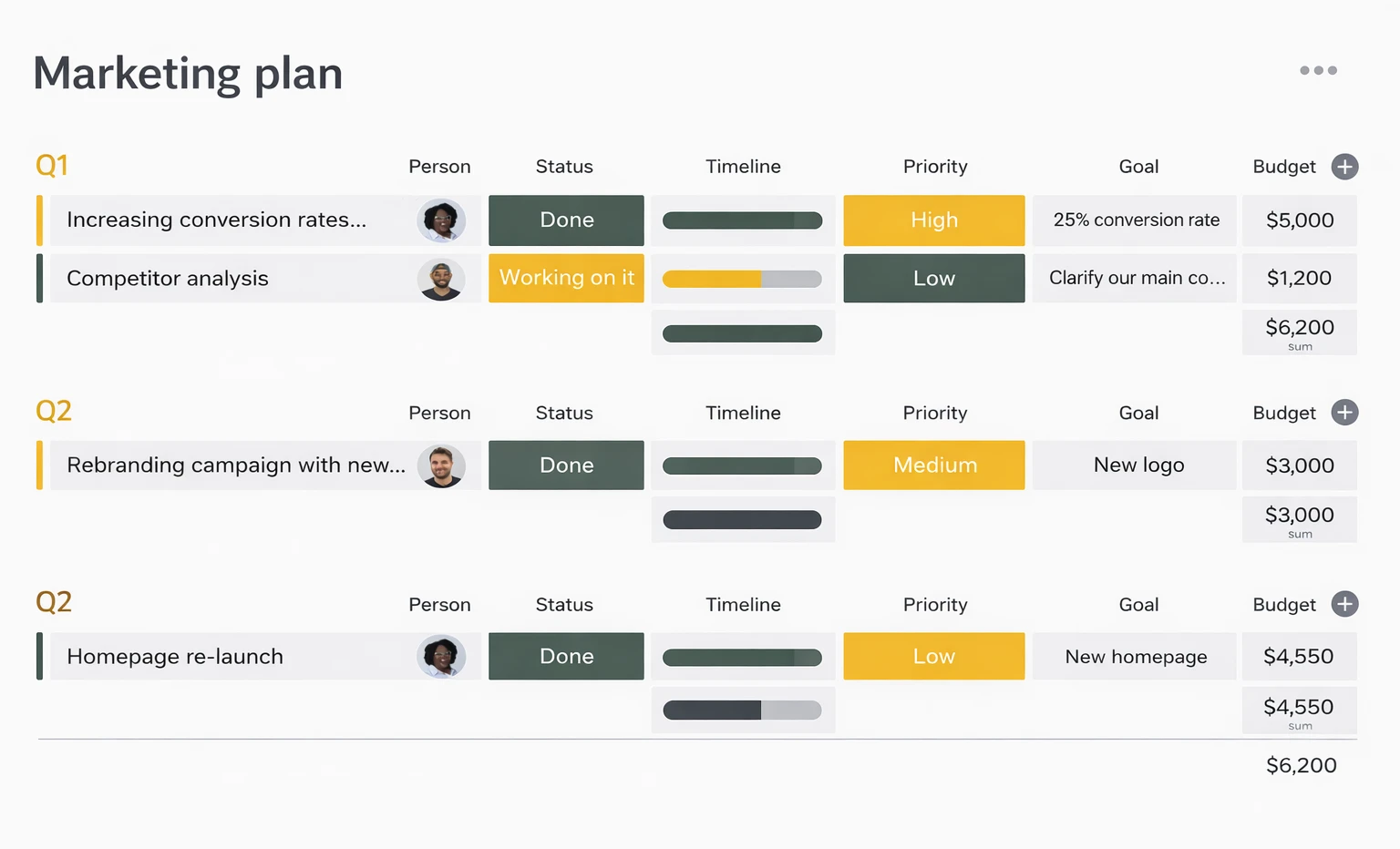
Why is a Marketing Plan Important?
A marketing plan is crucial for the success of any business for several reasons.
Strategic Direction
One of the key reasons why a marketing plan is important is that it provides a strategic direction for the company. By outlining specific objectives, strategies, and tactics, a marketing plan helps the company stay focused on its goals and align all marketing efforts towards achieving them. Without a marketing plan, the company may lack a clear direction and struggle to prioritize marketing activities effectively.
Resource Allocation
Another important aspect of a marketing plan is resource allocation. By detailing the budget and resources needed for each marketing activity, a marketing plan helps the company allocate funds efficiently and ensure that resources are used in the most effective way possible. This prevents wastage of resources and ensures that the company gets the best return on its marketing investments.
Performance Measurement
A marketing plan is also important for measuring the performance of marketing activities. By setting specific objectives and KPIs in the marketing plan, the company can track progress, measure ROI, and determine the success of different marketing campaigns. This allows the company to make data-driven decisions based on the performance of each activity and adjust strategies as needed to improve results.
Alignment and Collaboration
Furthermore, a marketing plan promotes alignment and collaboration within the organization. By outlining clear objectives and strategies, a marketing plan ensures that all departments are working towards a common goal and that there is synergy across the company. This alignment helps avoid conflicts and ensures that everyone is on the same page when it comes to marketing efforts.
Key Elements of a Marketing Plan
Creating a comprehensive marketing plan involves several key elements that are essential for its success. These elements include a situation analysis, objectives, target audience, strategies and tactics, budget and resources, implementation plan, and monitoring and measurement. Each element plays a crucial role in shaping the overall marketing plan and ensuring that it is effective in reaching the target audience and achieving marketing goals.
Situation Analysis
The first step in creating a marketing plan is conducting a thorough situation analysis. This involves analyzing the company’s internal and external environment, including the target market, competition, and industry trends. By understanding these factors, the company can identify opportunities and threats that may impact its marketing strategy and develop strategies to capitalize on strengths and mitigate weaknesses.
Objectives
Setting clear objectives is essential for a successful marketing plan. Objectives should be specific, measurable, achievable, relevant, and time-bound (SMART) to provide a clear direction for the marketing team to follow. By defining specific goals, such as increasing brand awareness, driving website traffic, or generating leads, the company can focus its efforts on activities that will help achieve those goals.
Target Audience
Identifying the target audience is crucial for tailoring marketing efforts effectively. By understanding the demographics, psychographics, and behaviors of the target audience, the company can develop buyer personas and create messaging that resonates with them. This helps increase the effectiveness of marketing campaigns and ensures that resources are allocated to reach the right audience.
Strategies and Tactics
Developing effective strategies and tactics is key to achieving marketing objectives. Strategies outline the overall approach to reaching the target audience and promoting products or services, while tactics are specific actions that will be taken to implement those strategies. By determining the best channels, messaging, and timing for each tactic, the company can maximize the impact of its marketing efforts.
Budget and Resources
Allocating the budget and resources needed to implement the marketing plan is essential for its success. The company should determine how much money will be spent on each marketing activity and allocate resources such as personnel, tools, and technology accordingly. By ensuring that funds are used efficiently and that resources are available when needed, the company can execute the marketing plan effectively and achieve the desired results.
Implementation Plan
Creating an implementation plan is necessary to ensure that the marketing plan is executed successfully. The implementation plan should outline the timeline, responsibilities, and specific actions that need to be taken to implement each marketing activity. By clearly defining roles and tasks, setting deadlines, and monitoring progress, the company can ensure that the marketing plan is executed on time and within budget.
Monitoring and Measurement
Monitoring progress and measuring results are critical for evaluating the success of the marketing plan. The company should establish key performance indicators (KPIs) to track progress, measure ROI, and determine the effectiveness of different marketing activities. By analyzing the results of each campaign, the company can make data-driven decisions to optimize performance and improve future marketing efforts.
How to Create a Marketing Plan
Creating a marketing plan may seem like a daunting task, but following a structured approach can make the process more manageable. By breaking down the process into specific steps and addressing each component in detail, the company can develop a comprehensive marketing plan that will guide its marketing efforts and help achieve its goals effectively.
Conduct a Comprehensive Situation Analysis
The first step in creating a marketing plan is to conduct a comprehensive situation analysis. This involves gathering information about the company’s internal and external environment, analyzing the target market, identifying competitors, and assessing industry trends. By understanding these factors, the company can identify opportunities and threats that may impact its marketing strategy and develop strategies to capitalize on strengths and mitigate weaknesses.
Define Clear and Specific Objectives
Once the situation analysis is complete, the company should define clear and specific objectives for the marketing plan. Objectives should be SMART (specific, measurable, achievable, relevant, and time-bound) to provide a clear direction for the marketing team to follow. By setting specific goals, such as increasing brand awareness, driving website traffic, or generating leads, the company can focus its efforts on activities that will help achieve those goals.
Identify the Target Audience
Identifying the target audience is essential for tailoring marketing efforts effectively. By understanding the demographics, psychographics, and behaviors of the target audience, the company can develop buyer personas and create messaging that resonates with them. This helps increase the effectiveness of marketing campaigns and ensures that resources are allocated to reach the right audience.
Develop Strategies and Tactics
Developing effective strategies and tactics is key to achieving marketing objectives. Strategies outline the overall approach to reaching the target audience and promoting products or services, while tactics are specific actions that will be taken to implement those strategies. By determining the best channels, messaging, and timing for each tactic, the company can maximize the impact of its marketing efforts.
Allocate Budget and Resources
Once the strategies and tactics are defined, the company should allocate the budget and resources needed to implement the marketing plan effectively. This involves determining how much money will be spent on each marketing activity and allocating resources such as personnel, tools, and technology accordingly. By ensuring that funds are used efficiently and that resources are available when needed, the company can execute the marketing plan successfully.
Create an Implementation Plan
Developing an implementation plan is crucial to ensuring that the marketing plan is executed successfully. The implementation plan should outline the timeline, responsibilities, and specific actions that need to be taken to implement each marketing activity. By clearly defining roles and tasks, setting deadlines, and monitoring progress, the company can ensure that the marketing plan is executed on time and within budget.
Tips for Successful Implementation
Implementing a marketing plan successfully requires careful planning, execution, and monitoring. By following best practices and staying focused on key objectives, the company can ensure that its marketing efforts are effective in reaching the target audience and achieving desired results. Here are some tips for the successful implementation of a marketing plan:
Set SMART Objectives
Setting SMART (Specific, Measurable, Achievable, Relevant, Time-bound) objectives provides a clear direction for marketing efforts. By defining specific goals and metrics, the company can track progress and measure the success of marketing activities. SMART objectives also help align the marketing team towards a common goal and ensure that everyone is working towards the same objectives.
Regularly Review and Update the Plan
It is important to regularly review and update the marketing plan to adapt to changes in the market, competition, or business goals. By revisiting the plan periodically and making adjustments as needed, the company can ensure that it remains relevant and effective in achieving its objectives. Updating the plan based on new information or insights helps the company stay agile and responsive to changing market conditions.
Collaborate Across Departments
Collaboration with other departments is essential for the success of the marketing plan. By working together and aligning efforts, different departments can ensure that marketing activities are integrated with other business functions and that the company presents a cohesive message to customers. Collaboration fosters synergy across the organization and helps achieve overall business objectives.
Diversify Marketing Efforts
Utilizing a mix of online and offline marketing channels can help reach a wider audience and maximize visibility. While digital marketing offers targeted reach and measurable results, traditional marketing channels such as print, TV, and radio can still be effective in reaching certain demographics. By diversifying marketing efforts across different channels, the company can increase brand awareness and attract a broader audience.
Analyze Data and Adjust Strategies
Analyzing the results of marketing activities is crucial for optimizing performance. By tracking key performance indicators and analyzing data, the company can identify which strategies and tactics are most effective in achieving marketing objectives. Based on these insights, the company can adjust its strategies and tactics to improve performance and drive better results.
Celebrate Successes and Learn from Failures
Celebrating successes and learning from failures helps motivate the marketing team and drive continuous improvement. Recognizing and rewarding achievements boosts morale and encourages team members to strive for excellence. On the other hand, analyzing failures and learning from mistakes helps the company avoid making the same errors in the future and implement corrective actions to improve performance. By fostering a culture of learning and improvement, the company can achieve long-term success in its marketing efforts.
Marketing Plan Template – DOWNLOAD

- Free Nurse Resignation Letter Template (Word) - February 28, 2026
- Free Printable Nursing Notes Template - February 27, 2026
- Free Editable Nursing Resume Template (Word) - February 23, 2026
