Marketing budget is a critical component of a company’s financial planning process, as it provides a roadmap for allocating resources to various marketing activities. By setting a marketing budget, businesses can ensure that their marketing efforts are aligned with their overall objectives and can track the return on investment (ROI) of their marketing initiatives.
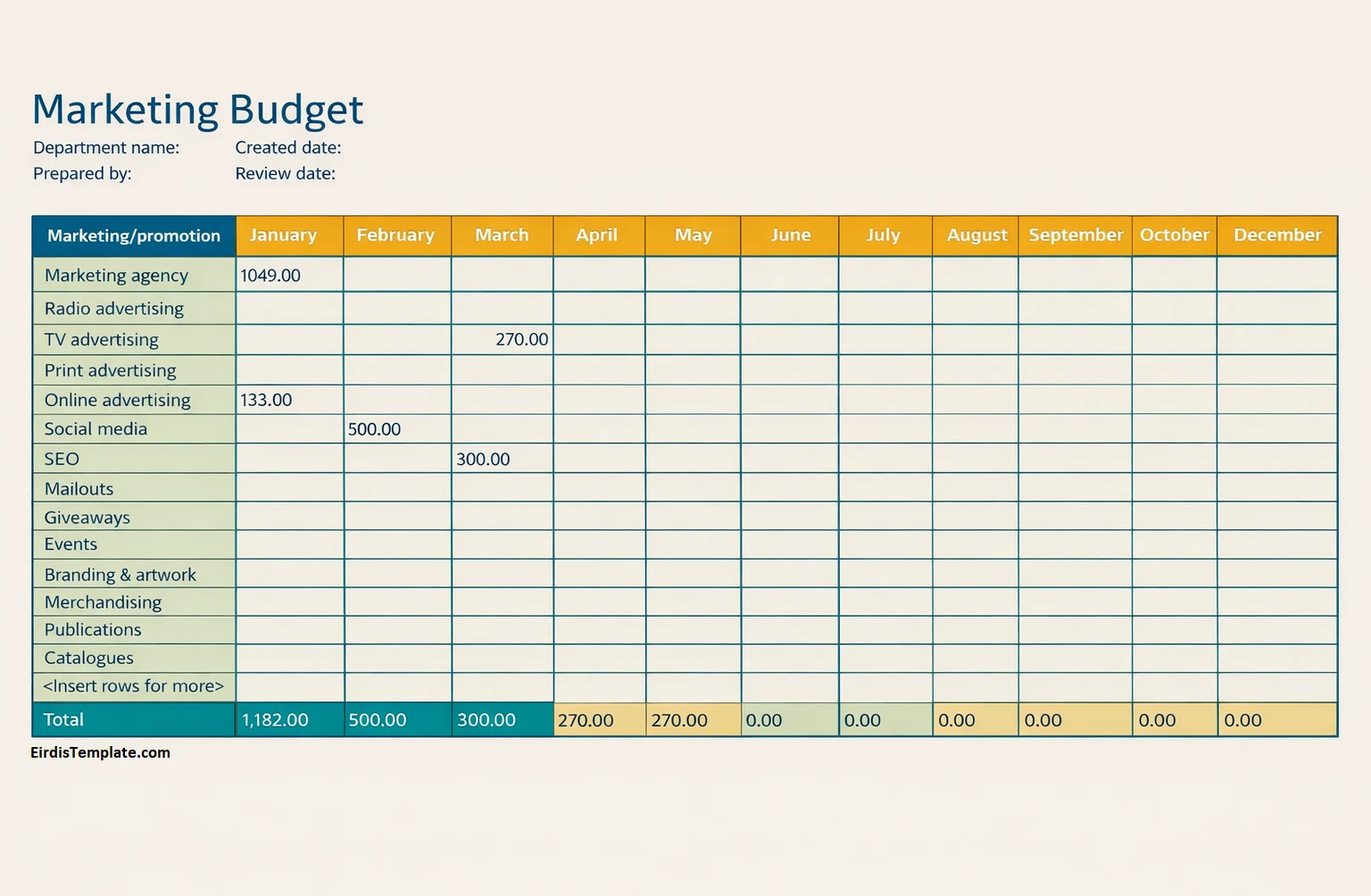
A well-thought-out marketing budget also helps prevent overspending and enables companies to maintain financial discipline while seizing growth opportunities.
What is a Marketing Budget?
A marketing budget is a detailed financial plan that outlines how much money a company will allocate towards its marketing activities over a specific period, usually a year. The budget includes expenses related to advertising, promotions, public relations, events, content creation, and any other activities aimed at reaching the target audience.
By creating a marketing budget, businesses can ensure that they have the necessary resources to execute their marketing strategies effectively and achieve their business objectives.
Why is a Marketing Budget Important?
A marketing budget is essential for several reasons:
Strategic Allocation of Resources
One of the key benefits of a marketing budget is that it enables companies to allocate resources strategically to achieve their business goals. By setting a budget for different marketing activities, businesses can prioritize initiatives that are most likely to drive results and align with their overall objectives. This strategic allocation of resources helps companies optimize their marketing efforts and maximize their return on investment.
When allocating resources, companies should consider factors such as the target audience, competitive landscape, industry trends, and available budget. By investing in activities that resonate with their target customers and differentiate them from competitors, businesses can create a strong market presence and drive growth. Strategic resource allocation also helps companies avoid spreading themselves too thin and ensures that they focus on initiatives that are most likely to yield positive results.
Tracking ROI
Another important aspect of a marketing budget is tracking the return on investment (ROI) of marketing activities. By measuring the performance of each initiative and analyzing its impact on key metrics, companies can determine which strategies are most effective and allocate resources accordingly. ROI tracking helps businesses make data-driven decisions and optimize their marketing budget for maximum impact.
Measuring ROI involves analyzing the costs and benefits of each marketing activity to determine its profitability. By calculating the revenue generated from a specific campaign or initiative and comparing it to the associated costs, companies can assess its effectiveness and make informed decisions about future investments. Tracking ROI also helps businesses identify areas where they can improve efficiency and increase their overall return on marketing investment.
Preventing Overspending
Setting a marketing budget helps prevent overspending and ensures that resources are used efficiently. By establishing clear guidelines for how much to allocate to each marketing activity, companies can avoid exceeding their budget and risking financial instability. Budgeting also promotes financial discipline within the organization and encourages teams to think strategically about resource allocation.
Overspending on marketing activities can have negative consequences for a business, such as draining financial resources, reducing profitability, and hindering growth opportunities. By setting a budget and monitoring expenses closely, companies can prevent wasteful spending and ensure that their marketing efforts are cost-effective and sustainable in the long run.
Aligning Efforts with Business Objectives
A marketing budget helps align marketing efforts with overall business objectives, ensuring that all activities support the company’s growth and success. By setting clear goals and aligning marketing strategies with the broader business strategy, companies can create a cohesive and integrated approach to marketing that drives results. This alignment also helps teams stay focused on initiatives that are most likely to contribute to the company’s bottom line.
When creating a marketing budget, companies should consider how each activity aligns with their business goals and how it contributes to the overall success of the organization. By prioritizing initiatives that support key objectives and reflect the company’s values and mission, businesses can create a unified marketing strategy that resonates with customers and stakeholders alike. This alignment ensures that marketing efforts are not only effective but also meaningful and impactful in driving business growth.
Performance Measurement
Companies can measure the performance of their marketing initiatives against predefined metrics to evaluate their effectiveness and make adjustments as needed. By tracking key performance indicators (KPIs) such as website traffic, lead generation, conversion rates, and customer acquisition costs, companies can assess the impact of their marketing activities on business results. Performance measurement helps businesses understand what is working well and what areas need improvement, enabling them to optimize their marketing budget for maximum impact.
Effective performance measurement involves setting clear objectives and benchmarks for each marketing activity and regularly monitoring progress towards these goals. By analyzing data and metrics from various sources, companies can identify trends, patterns, and opportunities for optimization. Performance measurement also helps businesses identify areas where they can make changes or reallocate resources to improve results and drive growth.
Financial Discipline for Growth Opportunities
Setting a marketing budget helps maintain financial discipline and allows companies to seize growth opportunities without risking financial stability. By establishing clear guidelines for resource allocation and monitoring expenses closely, businesses can ensure that they have the necessary funds to invest in new initiatives and drive growth. Financial discipline also enables companies to plan for future expenses, mitigate risks, and make informed decisions about resource allocation.
Financial discipline is essential for businesses of all sizes, as it helps prevent overspending, reduce waste, and ensure that resources are used efficiently. By setting a budget and sticking to it, companies can create a culture of accountability and responsibility within the organization. This discipline not only helps companies manage their finances effectively but also fosters a sense of trust and transparency among team members and stakeholders.
What to Include in a Marketing Budget?
When creating a marketing budget, it’s essential to include the following elements:
Advertising Costs
Expenses related to online and offline advertising efforts, including social media ads, Google AdWords, print ads, and more. Advertising costs can vary depending on the platform, audience size, and campaign objectives. By allocating a portion of the budget to advertising, companies can reach a larger audience, increase brand visibility, and drive traffic to their website or store.
Promotional Expenses
Costs associated with promotional campaigns, discounts, coupons, and giveaways to attract customers. Promotional expenses are aimed at increasing sales, generating leads, and fostering customer loyalty. By including promotional expenses in the budget, companies can create incentives for customers to make a purchase and drive revenue growth.
Public Relations
Expenses for press releases, media relations, events, and other PR activities to build brand awareness and reputation. Public relations efforts help companies create a positive image in the eyes of the public, media, and stakeholders. By investing in PR activities, companies can enhance their credibility, establish thought leadership, and attract media attention.
Content Creation
Costs for creating high-quality content for websites, blogs, social media, email marketing, and other channels. Content creation is essential for engaging with customers, providing valuable information, and driving brand awareness. By allocating a budget for content creation, companies can deliver relevant and engaging content that resonates with their target audience.
Marketing Tools and Software
Expenses for marketing automation tools, analytics platforms, CRM systems, and other software to streamline marketing efforts. Marketing tools and software help companies automate repetitive tasks, analyze data, and track the performance of their marketing campaigns. By investing in the right tools, companies can improve efficiency, optimize their marketing strategies, and drive better results.
Events and Sponsorships
Costs for hosting or sponsoring events, conferences, trade shows, and other industry-related activities to connect with customers and prospects. Events and sponsorships provide companies with opportunities to engage with their target audience in person, build relationships, and showcase their products or services. By including events and sponsorships in the budget, companies can create memorable experiences for attendees and generate leads.
How to Create a Marketing Budget?
Creating a marketing budget involves the following steps:
Evaluate Past Performance
Review previous marketing efforts and their results to identify what worked well and what didn’t. Analyzing past performance data can help companies understand which strategies were most effective in driving results and which areas need improvement. By learning from past experiences, companies can make informed decisions about resource allocation and strategy development.
Set Clear Goals
Define specific, measurable marketing objectives that align with overall business goals. Setting clear goals helps companies stay focused and motivated, as they have a clear direction for their marketing efforts. By establishing key performance indicators (KPIs) and benchmarks, companies can track progress towards their goals and measure the success of their marketing initiatives.
Research Industry Benchmarks
Benchmark your budget against industry standards to ensure competitiveness and effectiveness. Researching industry benchmarks helps companies understand how their budget compares to competitors and whether they are investing the right amount in marketing activities. By benchmarking against industry standards, companies can identify areas for improvement and make adjustments to optimize their budget for better results.
Allocate Resources Wisely
Distribute your budget across different marketing channels based on your target audience, objectives, and expected ROI. Allocating resources wisely involves investing in activities that are most likely to drive results and align with your business goals. By allocating resources strategically, companies can maximize the impact of their marketing efforts and achieve a higher return on investment.
Monitor and Adjust
Regularly track the performance of your marketing activities and adjust your budget accordingly to optimize results. Monitoring the performance of marketing initiatives involves collecting and analyzing data to measure the impact on key metrics. By monitoring results in real-time, companies can identify trends, patterns, and opportunities for improvement and make adjustments to their budget to maximize results.
Tips for Successful Marketing Budgeting
Here are some tips to help you create a successful marketing budget:
Align with Business Goals
Ensure that your marketing budget supports your overall business objectives and growth strategy. Aligning your marketing efforts with business goals helps create a cohesive and integrated approach to marketing that drives results. By setting clear goals and aligning marketing strategies with the broader business strategy, companies can maximize the impact of their marketing efforts.
Be Realistic
Set achievable goals and allocate resources accordingly to avoid overspending or underinvesting. Being realistic about what you can achieve with your budget helps you prioritize activities and allocate resources effectively. By setting realistic goals and expectations, companies can create a budget that is achievable and aligned with their growth strategy.
Track ROI
Monitor the return on investment of your marketing activities to understand their impact on business results. Tracking ROI helps companies measure the effectiveness of their marketing initiatives and make data-driven decisions. By analyzing the ROI of different activities, companies can identify which strategies are most effective and allocate resources accordingly.
Stay Flexible
Be prepared to adjust your budget in response to changing market conditions, consumer behavior, or competitive landscape. Staying flexible with your budget allows you to adapt to unforeseen circumstances and take advantage of new opportunities. By being open to change and adjusting your budget as needed, companies can optimize their marketing efforts and drive better results.
Invest in Analytics
Use data and analytics tools to measure the performance of your marketing efforts and make data-driven decisions. Investing in analytics helps companies track key metrics, analyze data, and identify trends and patterns that can inform their marketing strategy. By leveraging data and analytics, companies can optimize their budget, improve efficiency, and drive better results.
Collaborate Across Departments
Involve key stakeholders from sales, finance, and other departments in the budgeting process to ensure alignment and transparency. Collaboration across departments helps create a holistic and integrated approach to marketing budgeting. By involving key stakeholders in the decision-making process, companies can ensure that their budget is aligned with overall business objectives and supported by all departments.
Marketing Budget Template – DOWNLOAD

- Free Nurse Resignation Letter Template (Word) - February 28, 2026
- Free Printable Nursing Notes Template - February 27, 2026
- Free Editable Nursing Resume Template (Word) - February 23, 2026
