When starting a business, one of the key decisions you need to make is choosing the right legal structure. For many entrepreneurs, forming a limited liability company (LLC) provides the ideal balance of flexibility and protection.
However, simply registering your LLC with the state isn’t enough. To fully protect your business and its members, you’ll need to create a limited liability operating agreement. This document serves as a roadmap for how your LLC will be run, defining ownership percentages, outlining member responsibilities, and providing crucial liability protection.
What Is a Limited Liability Operating Agreement?
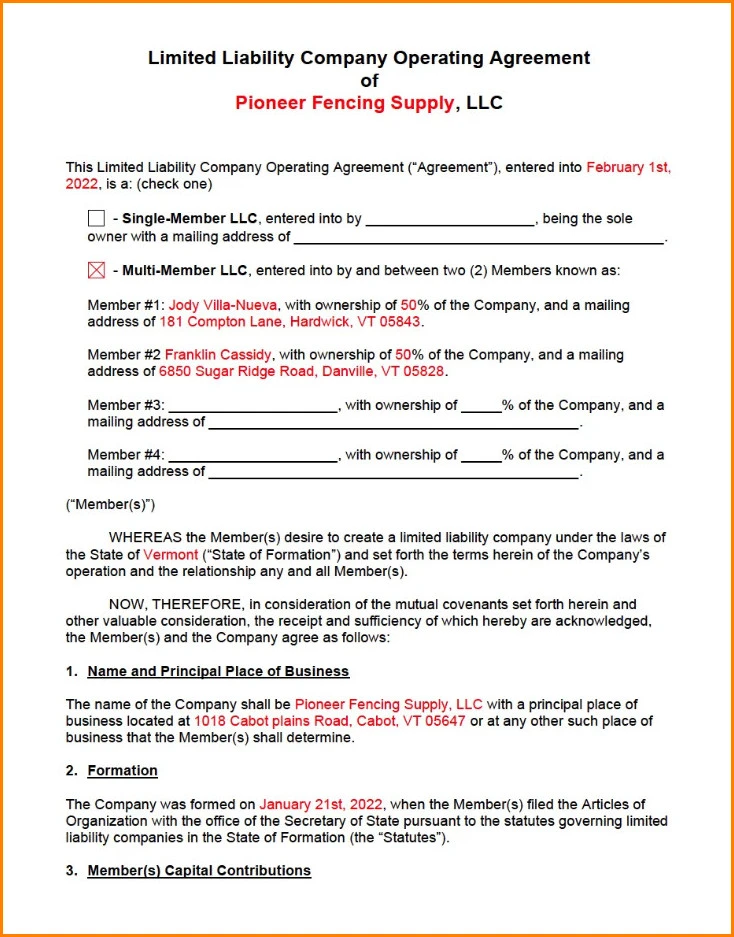
A limited liability operating agreement is a legal document that outlines the structure and operation of an LLC. It defines the roles, responsibilities, and ownership structure of its members, while also providing crucial liability protection and clarifying operational procedures.
Essentially, the operating agreement serves as a comprehensive guide for how the LLC will be run.
Benefits of an LLC Operating Agreement
Creating an operating agreement for your LLC offers several benefits:
Liability Protection Provided by Operating Agreements
One of the primary benefits of an LLC operating agreement is the liability protection it provides to members. By clearly outlining the separation between the company and its owners, the agreement helps shield personal assets from business debts and legal claims. This protection is crucial for ensuring that members are not personally liable for the actions of the company.
Conflict Resolution and Prevention
Operating agreements can also help prevent disputes among members by setting guidelines for decision-making and conflict resolution. By establishing clear procedures for handling disagreements and outlining the process for making important decisions, the agreement can reduce the likelihood of conflicts arising within the company.
Clarity and Transparency in Operations
By clearly defining ownership percentages, management structure, and operational procedures, the operating agreement eliminates ambiguity and provides clarity to all members. This transparency helps ensure that everyone is on the same page regarding their roles and responsibilities within the company, reducing the risk of misunderstandings and miscommunications.
What to Include in an LLC Operating Agreement?
When drafting an operating agreement for your LLC, there are several key components to include:
Basic Information
Include the name and purpose of the LLC, as well as the names and addresses of all members. This basic information sets the foundation for the agreement and ensures that all members are clear on the purpose and structure of the company.
Ownership Structure
Detail the ownership percentages of each member and their capital contributions. By clearly defining ownership rights and responsibilities, the agreement helps prevent disputes over ownership and ensures that all members have a clear understanding of their financial stake in the company.
Management Structure
Outline how the LLC will be managed, including voting rights, decision-making processes, and the roles of each member. This section of the agreement establishes the framework for how the company will operate on a day-to-day basis and ensures that all members are aware of their responsibilities.
Operating Procedures
Specify how decisions will be made, how profits and losses will be allocated, and how the LLC will be managed. By outlining these operational procedures, the agreement helps ensure that the company operates smoothly and that all members are on the same page regarding how the business will be run.
How to Determine the Purpose of Your LLC
Before drafting your operating agreement, it’s important to clearly define the purpose of your LLC. Consider the following questions:
Business Activities
What products or services will your LLC provide? Define the core activities that your business will focus on and outline how these activities will contribute to the overall success of the company.
Target Market
Who is your ideal customer or client? Identify the target market for your products or services and consider how you can best meet the needs of this demographic through your business operations.
Long-Term Goals
What are the objectives and aspirations for your business? Establish long-term goals for your LLC, including financial targets, growth projections, and other milestones that you hope to achieve over time.
Limited Liability Operating Agreement Template – DOWNLOAD

- Free Luau Party Invitation Template - January 7, 2026
- Loan Contract Template Between Friends - January 7, 2026
- Loan Contract Agreement Template - January 7, 2026
