What Is a Licensing Agreement?
A licensing agreement is a legal contract that allows one party, known as the licensor, to grant another party, the licensee, the right to use their intellectual property for a specific purpose or within defined parameters. Intellectual property can include patents, trademarks, copyrights, trade secrets, or other intangible assets that hold value.
These agreements outline the terms and conditions under which the licensee can utilize the intellectual property.
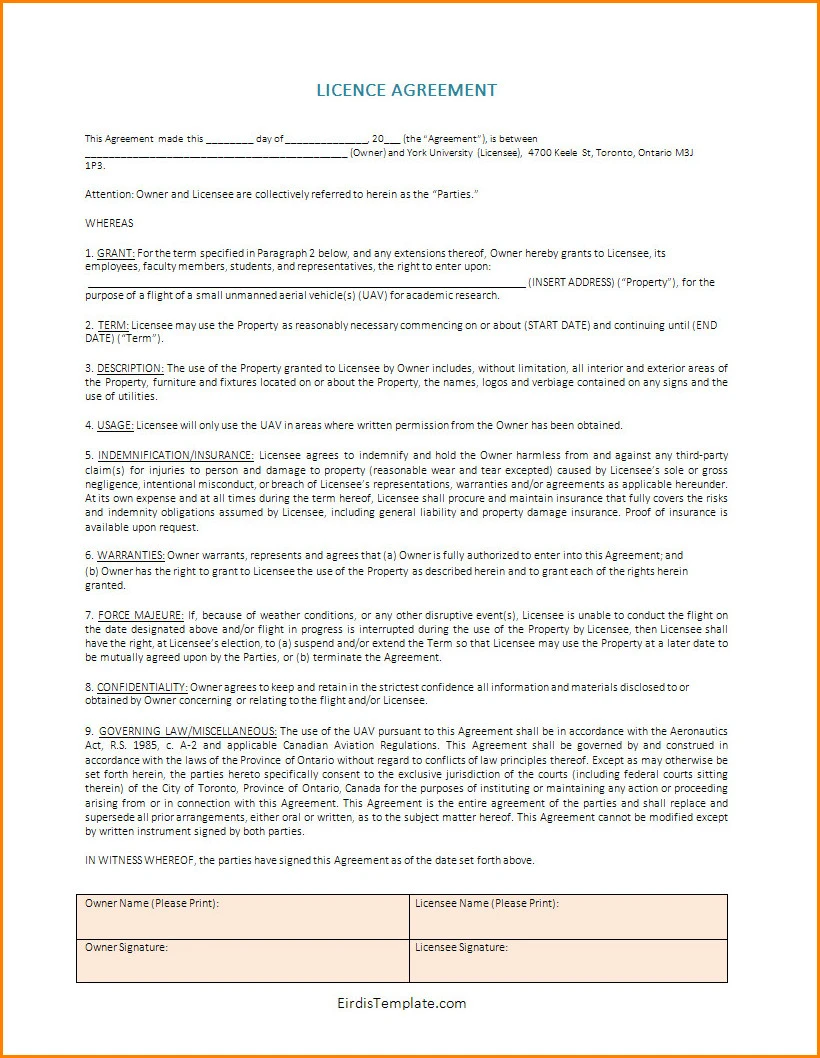
Why Should You Use a Licensing Agreement?
Monetization and Revenue Generation
One of the primary reasons businesses choose to enter into licensing agreements is to monetize their intellectual property and generate revenue. By licensing their patents, trademarks, or copyrights to other parties, businesses can earn royalties or licensing fees for the use of their assets.
Market Expansion and Access
Licensing agreements also provide businesses with opportunities for market expansion and access to new industries or territories. By partnering with licensees who have expertise or presence in different markets, businesses can leverage their intellectual property to reach a broader audience.
Risk Mitigation and Cost Sharing
Sharing the risks associated with developing and commercializing new products or services is another benefit of licensing agreements. By allowing another party to use their intellectual property, businesses can spread the financial and operational risks while still benefiting from potential rewards.
Brand Protection and Control
Using licensing agreements helps businesses protect their brand integrity and maintain control over how their intellectual property is used. By setting specific guidelines and restrictions in the agreement, businesses can ensure that the licensee upholds the same standards and values associated with their brand.
Disadvantages of Licensing Agreements
Lack of Control and Oversight
One of the drawbacks of licensing agreements is the potential loss of control over how the intellectual property is utilized by the licensee. The licensor may not have full visibility or oversight into how their assets are being commercialized, leading to concerns about quality control or brand dilution.
Competitive Risks and Market Dynamics
Entering into licensing agreements can inadvertently create competition or conflict with the licensor’s own products or services. If the licensee’s offerings compete directly with the licensor’s, it may cannibalize sales or impact market positioning.
Legal Complexities and Disputes
Drafting and negotiating licensing agreements can be complex and time-consuming, requiring legal expertise to ensure all terms are clear and enforceable. Disputes may arise over royalty payments, intellectual property infringement, or termination clauses, leading to costly legal battles.
Types of Commonly Licensed Intellectual Property (IP)
Patents
Patents are one of the most commonly licensed forms of intellectual property, granting the licensee the right to use the patented invention for a specific purpose or within a defined territory. Licensing patents can be lucrative for inventors or businesses seeking to monetize their innovative technologies.
Trademarks
Licensing trademarks enables the licensee to use the licensor’s brand name, logo, or other marks to market goods or services. Trademark licensing agreements are common in franchising, co-branding, and merchandising arrangements, allowing businesses to expand their brand presence.
Copyrights
Copyrights protect original works of authorship, such as music, literature, or artwork, and grant the creator exclusive rights to reproduce, distribute, or display their works. Licensing copyrights allows content creators to monetize their creations through licensing agreements with publishers, distributors, or other partners.
Common Terms of a Licensing Agreement
License Scope and Restrictions
The license scope defines the specific rights granted to the licensee and any limitations on the use of the intellectual property. Restrictions may include exclusive or non-exclusive rights, territorial limitations, or usage restrictions to protect the licensor’s interests.
Duration and Renewal Options
The duration of the licensing agreement specifies how long the agreement is valid, whether it be for a fixed term or ongoing. Renewal options allow parties to extend the agreement upon expiration, subject to the renegotiation of terms and conditions.
Royalties and Payment Structure
Royalties are payments made by the licensee to the licensor for the use of the intellectual property. The payment structure outlines royalty rates, frequency of payments, accounting procedures, and any minimum guarantees to ensure fair compensation for the licensor.
Termination Clauses and Exit Strategies
Termination clauses detail the conditions under which either party can terminate the agreement, such as breach of contract, insolvency, or change of control. Exit strategies provide guidelines for winding down the agreement and addressing any remaining obligations or disputes.
How to Write a Licensing Agreement
Define the Intellectual Property
When drafting a licensing agreement, it is critical to clearly identify the intellectual property being licensed, including any associated rights or restrictions. A detailed description of the intellectual property helps prevent misunderstandings and potential disputes in the future.
Specify the Scope of Use
Detail how the intellectual property can be used by the licensee, including the specific products, services, or applications covered by the agreement. Defining the scope of use helps set boundaries and expectations for both parties involved in the licensing arrangement.
Include Payment Terms and Royalty Structure
Clearly outline the financial terms of the agreement, including royalty rates, payment schedules, and accounting procedures. Establishing a transparent payment structure ensures that both parties understand their financial obligations and rights under the licensing agreement.
Address Termination Provisions and Dispute Resolution
Anticipate potential scenarios for ending the agreement and establish clear guidelines for termination. Include provisions for resolving disputes that may arise during the term of the agreement, such as mediation, arbitration, or legal recourse to protect both parties’ interests.
Seek Legal Advice and Review
Consult with a legal professional specializing in intellectual property law to ensure that the licensing agreement is legally sound and protects your interests. Legal advice can help identify potential pitfalls or ambiguities in the agreement and provide guidance on how to strengthen its enforceability.
Licensing Agreement Template – DOWNLOAD

- Free Nurse Resignation Letter Template (Word) - February 28, 2026
- Free Printable Nursing Notes Template - February 27, 2026
- Free Editable Nursing Resume Template (Word) - February 23, 2026
