In everyday life, we encounter situations where we are dissatisfied with a product, service, or experience. Whether it’s receiving a faulty item, experiencing poor customer service, or facing any other issue, it’s essential to address these grievances in a structured and professional manner. This is where a letter of complaint comes into play.
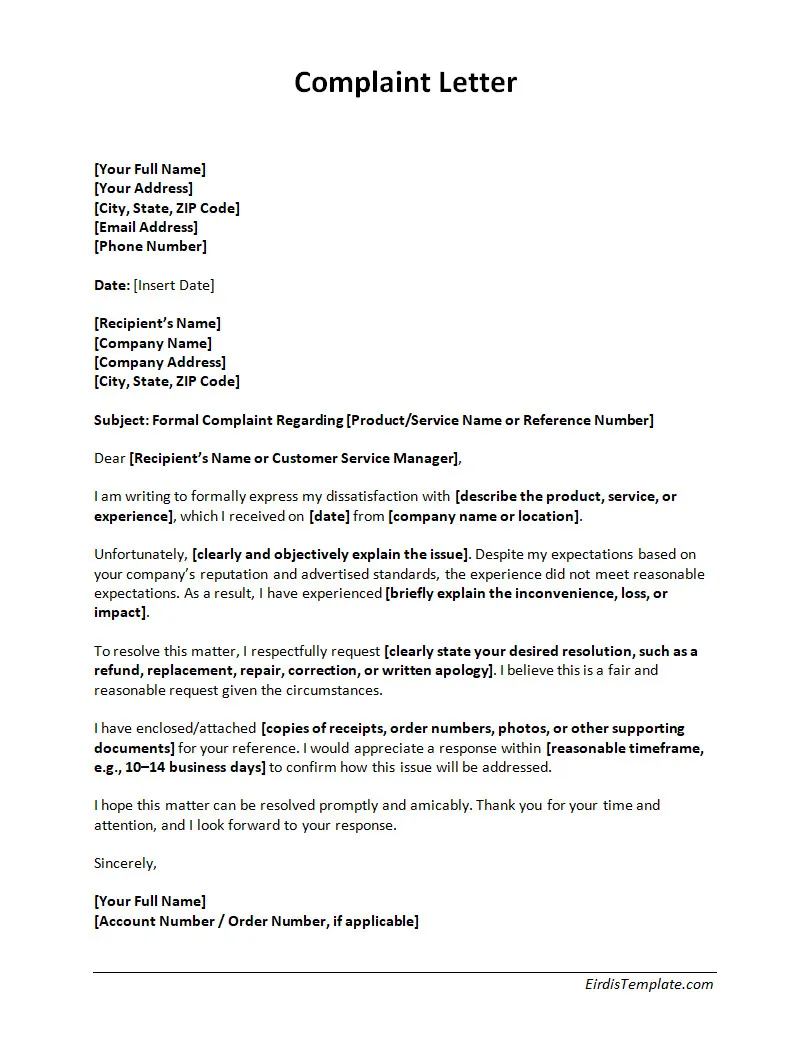
A letter of complaint is a formal document that allows individuals to express their dissatisfaction while seeking a specific resolution, such as a refund, repair, or apology. Not only does it create a clear, documented record of the problem for future reference, but it also encourages the business to improve its practices.
In this article, we will delve into the what, why, and how of writing an effective letter of complaint to ensure a positive outcome.
What is a Letter of Complaint?
A letter of complaint is a written communication that is used to formally state dissatisfaction with a product, service, or experience. It is a structured way to communicate a grievance professionally, increasing the chances of a positive outcome compared to informal complaints.
The primary purpose of a letter of complaint is to seek a specific resolution to the issue at hand while creating a documented record of the problem. This document can be used as evidence in case further action needs to be taken, such as involving consumer protection agencies or legal proceedings.
Why Write a Letter of Complaint?
There are several reasons why writing a letter of complaint is a more effective way to address grievances compared to verbal communication or informal complaints. Here are some key benefits:
1. Formal Record
By putting your complaint in writing, you create a formal record that can be referenced in the future. This can be invaluable if the issue is not resolved satisfactorily and you need to escalate the matter further. Having a documented account of the problem can strengthen your case and provide clarity for both parties involved.
2. Professionalism
A letter of complaint demonstrates professionalism and seriousness in addressing the issue at hand. By taking the time to compose a well-written letter, you show that you are committed to finding a resolution and expect to be taken seriously by the recipient. This can set a positive tone for the communication and increase the likelihood of a satisfactory outcome.
3. Specific Resolution
When you write a letter of complaint, you have the opportunity to clearly state what resolution you are seeking. Whether it’s a refund, replacement, repair, apology, or any other form of compensation, outlining your desired outcome can help the recipient understand how to address your concerns effectively. This specificity can streamline the resolution process and lead to a quicker response.
4. Encouraging Improvement
Constructive feedback is invaluable to businesses looking to improve their products and services. By providing detailed feedback in your letter of complaint, you not only seek personal resolution but also contribute to the company’s overall quality improvement. Your insights and suggestions can help the business identify areas for enhancement and prevent similar issues from occurring in the future.
What to Include in a Letter of Complaint?
When writing a letter of complaint, it’s essential to include certain key elements to ensure that your message is clear and effective. Here are some important components to include in your letter:
Date and Contact Information
Start your letter by including the date and your contact information, such as your name, address, phone number, and email address. Providing this information at the outset makes it easy for the recipient to respond to your complaint promptly. It also establishes your identity and ensures that the company can reach out to you for further information if needed.
Recipient Information
Address the letter to the appropriate person or department within the company. Researching and addressing your complaint to the right individual increases the likelihood of your concern being handled efficiently. If possible, find out the name and title of the person who is responsible for addressing customer complaints to personalize your communication.
Description of the Issue
Clearly explain the problem you encountered, providing relevant details such as the date of purchase, product/service details, and any supporting evidence. Describe the issue factually and objectively, avoiding emotional language or accusations. Including specific details can help the recipient understand the nature and severity of the problem.
Resolution Request
State what resolution you are seeking, whether it’s a refund, replacement, repair, apology, or any other form of compensation. Be clear and concise in articulating your desired outcome, outlining what actions you expect the company to take to address your concerns. Setting clear expectations can facilitate a smoother resolution process.
Impact of the Issue
Describe how the issue has impacted you, whether it’s causing inconvenience, financial loss, emotional distress, or any other negative effects. Sharing the personal impact of the problem can add context to your complaint and demonstrate the significance of finding a resolution. Expressing how the issue has affected you can evoke empathy from the recipient and motivate them to address the issue promptly.
Evidence and Supporting Documents
Include any supporting evidence, such as receipts, photos, or correspondence, to strengthen your case and provide credibility to your complaint. Providing tangible evidence can substantiate your claims and illustrate the validity of your concerns. Attach relevant documents or copies to support your statements and provide a comprehensive view of the issue.
Previous Attempts to Resolve
Mention any previous attempts you have made to resolve the issue, such as contacting customer service or visiting the store in person. By documenting your efforts to address the problem informally, you demonstrate that you have taken proactive steps to seek a resolution. This information can help the recipient understand the history of the complaint and the necessity of formalizing your concerns in writing.
Expectations and Follow-Up
Clearly outline your expectations for resolving the issue and specify any follow-up actions you plan to take if a satisfactory resolution is not provided. Setting expectations for next steps can prepare both parties for further communication or escalation if needed. Expressing your willingness to follow up demonstrates your commitment to resolving the matter effectively.
How to Write an Effective Letter of Complaint
Now that you know what to include in a letter of complaint, let’s explore how to craft a compelling and persuasive document that will increase the chances of a positive outcome. Here are some tips for writing an effective letter of complaint:
Be Clear and Concise
When composing your letter of complaint, clarity is key. Clearly state the problem you encountered and avoid unnecessary details that may distract from the main issue. Focus on presenting your case succinctly and directly, highlighting the essential points that require resolution. A well-structured and concise letter is more likely to capture the recipient’s attention and prompt a timely response.
Provide Evidence
Including evidence to support your complaint can strengthen your case and provide credibility to your claims. Attach relevant documents, such as purchase receipts, order confirmations, or photographs, that illustrate the issue at hand. Providing tangible evidence can substantiate your complaint and demonstrate the validity of your concerns. Be sure to organize your evidence logically within the letter to reinforce your arguments effectively.
Be Polite and Professional
Maintaining a polite and professional tone throughout your letter is essential when addressing a complaint. Regardless of the severity of the issue or your emotions surrounding it, approach the communication with courtesy and respect. Avoid using inflammatory language, accusations, or threats, as this can derail the resolution process and hinder productive dialogue. A courteous and respectful tone can convey your concerns effectively and increase the likelihood of a favorable response.
Suggest a Solution
While it’s crucial to outline the problem in your letter of complaint, it’s equally important to propose potential solutions. Offer constructive suggestions for how the issue can be resolved, demonstrating your willingness to collaborate on finding a mutually beneficial outcome. By presenting actionable solutions, you show that you are invested in reaching a resolution and are open to working with the recipient to address the problem effectively. Providing suggestions can guide the company in understanding your expectations and facilitate the resolution process.
Follow Up
After sending your letter of complaint, it’s essential to follow up with the company to ensure that your concerns are being addressed promptly and effectively. Monitor the progress of your complaint and reach out for updates if necessary. Follow-up communication demonstrates your commitment to resolving the issue and reinforces the importance of your complaint. Be proactive in seeking feedback on the status of your complaint and request a timeline for when you can expect a resolution. By staying engaged in the process, you show the company that you are dedicated to achieving a satisfactory outcome.
Tips for Successful Resolution
In addition to writing a well-crafted letter of complaint, here are some additional tips to increase the likelihood of a successful resolution to your issue:
Keep Copies
Make copies of your letter and any supporting documents for your records. Having duplicates of your complaint letter and evidence ensures that you have a complete record of your communication with the company. In case you need to escalate the matter or refer back to specific details, having copies on hand can be invaluable. Store your copies in a safe place where they are easily accessible for future reference.
Set a Deadline
Specify a reasonable deadline for the company to respond to your complaint and provide a resolution. Setting a timeline for resolution establishes expectations for both parties and encourages prompt action. Clearly communicate your expected timeframe for receiving a response and outline the consequences of failing to meet the deadline. A deadline can motivate the company to prioritize your complaint and work towards a timely resolution.
Seek Assistance
If the company does not respond or provide a satisfactory resolution to your complaint, consider seeking assistance from consumer protection agencies or legal resources. Contacting relevant authorities or organizations that specialize in consumer rights can guide how to proceed with unresolved complaints. These entities can offer support and advice on next steps, including mediation, arbitration, or legal action, if necessary. Seeking assistance can empower you to advocate for your rights and pursue a fair resolution to your complaint.
Document Responses
Keep a record of all responses and communications related to your complaint. Documenting the company’s replies, follow-up actions, and resolutions can help track the progress of your complaint and evaluate the effectiveness of the company’s efforts. Record details of any agreements reached, commitments made, or changes implemented as a result of your complaint. Maintaining a comprehensive log of responses ensures that you have a complete history of the resolution process for future reference.
Stay Persistent
Persistence is key when advocating for a resolution to your complaint. If you do not receive a satisfactory response initially, continue to follow up with the company and escalate your concerns as needed. Stay persistent in seeking a fair outcome and do not hesitate to assert your rights as a consumer. By remaining steadfast in your pursuit of resolution, you demonstrate your dedication to addressing the issue and holding the company accountable for its products or services.
Seek Feedback
After the complaint process is resolved, consider seeking feedback on the company’s handling of your concerns. Reflect on the responsiveness, efficiency, and effectiveness of the resolution process and provide feedback to the company. Sharing your experience can help the company identify areas for improvement in its customer service practices and complaint resolution procedures. Constructive feedback contributes to ongoing quality enhancement and fosters a culture of accountability and customer-centered service.
Learn from the Experience
Use the experience of complaining about an opportunity for personal growth and learning. Reflect on the communication process, resolution outcomes, and your own conduct throughout the complaint process. Identify lessons learned, such as effective communication strategies, conflict resolution techniques, and consumer rights awareness. By extracting valuable insights from the experience, you can enhance your ability to address future grievances effectively and advocate for your consumer rights with confidence.
Share Your Experience
Consider sharing your experience of complaining with others to raise awareness and empower fellow consumers. Discussing your complaint journey, resolution outcomes, and key takeaways can inform and educate others facing similar challenges. Share insights, tips, and recommendations on how to navigate the complaint process successfully and advocate for satisfactory resolutions. By sharing your experience, you contribute to a culture of consumer empowerment and encourage proactive engagement in addressing consumer issues.
Letter of Complaint Template
A Letter of Complaint helps you clearly and professionally express concerns about a product, service, or experience. It provides a structured format for outlining the issue, relevant details, and the resolution you are seeking, ensuring your message is direct and respectful. With a well-organized template, you can communicate effectively, protect your rights, and increase the chances of a prompt and satisfactory response.
Download our Letter of Complaint Template today to address issues confidently and professionally.
Letter of Complaint Template – DOWNLOAD

- Free Printable Monthly Schedule Template - April 3, 2026
- Free Printable Monthly Meal Planner Template - April 1, 2026
- Printable Monthly Work Schedule Template - March 30, 2026
