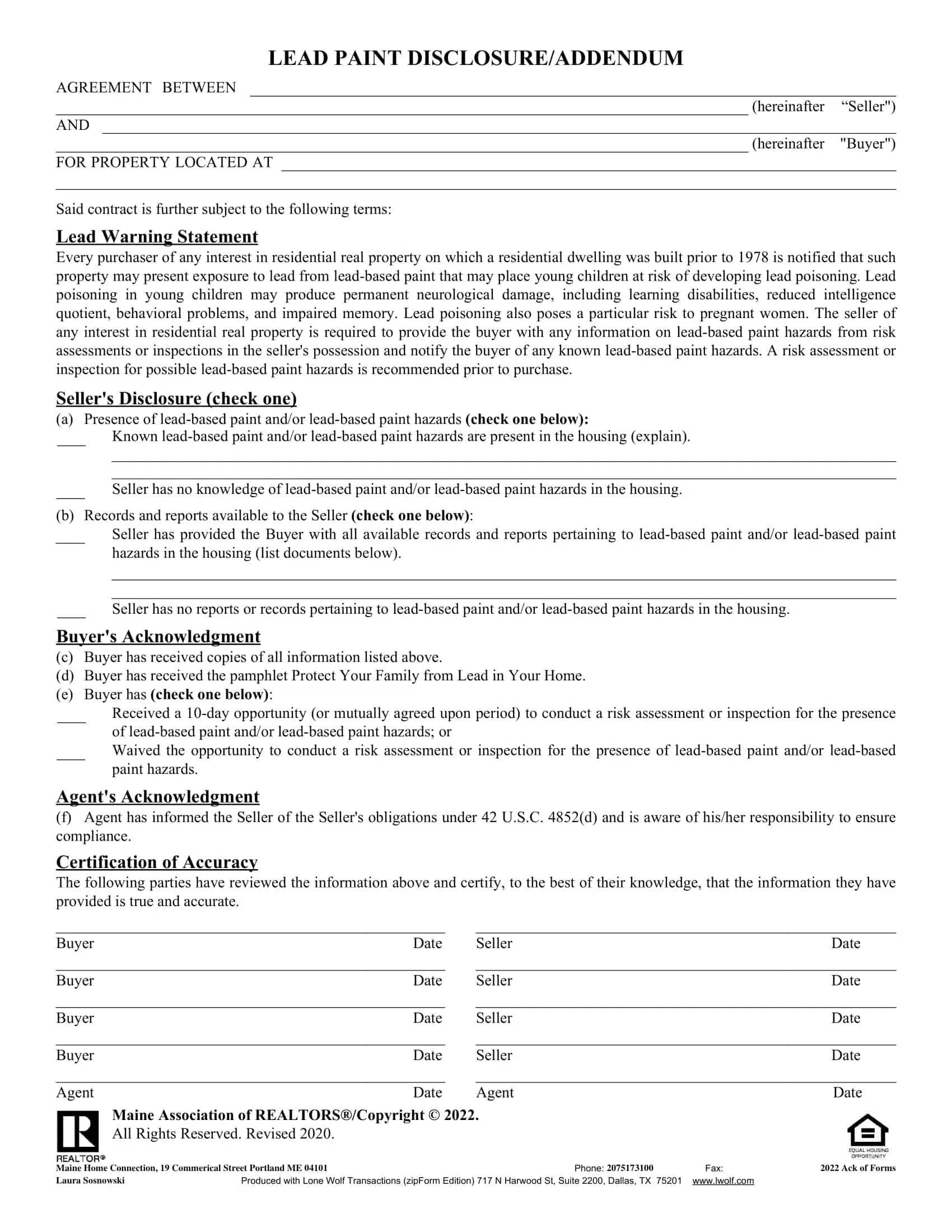
What is a Lead-Based Paint Disclosure?
A lead-based paint disclosure is a legal document mandated by federal law that requires sellers and landlords to inform potential buyers and tenants about the presence of lead-based paint in residential properties built before 1978.
The primary purpose of this disclosure is to raise awareness about the potential health hazards associated with lead exposure, especially for vulnerable populations such as children and pregnant women.
When to use a disclosure?
Residential Properties Built Before 1978
Lead-based paint was commonly used in residential properties constructed before 1978, when its use was banned by federal regulations. As a result, any property built before this cutoff date is subject to lead-based paint disclosure requirements. Sellers and landlords must provide this disclosure to potential buyers or tenants to ensure full transparency about the presence of lead-based paint in the property.
Renovation or Disturbance
Even if a property was built after 1978, there is a possibility that lead-based paint may still be present if renovations or disturbances have occurred. In such cases, sellers and landlords need to conduct proper testing and provide a lead-based paint disclosure if lead hazards are identified. This proactive approach helps mitigate risks and protect the interests of all parties involved.
Rental Properties
Landlords renting out properties built before 1978 must also comply with lead-based paint disclosure regulations. Providing this information to prospective tenants is not only a legal requirement but also a moral obligation to ensure the safety and well-being of individuals residing in the property. By acknowledging the presence of lead-based paint upfront, landlords demonstrate transparency and uphold their responsibilities to tenants.
Real Estate Transactions
Lead-based paint disclosure is an integral part of real estate transactions involving older properties. Buyers and tenants have the right to know about any potential lead hazards in the property they are considering. By receiving a comprehensive disclosure, they can make informed decisions and take appropriate measures to address any concerns related to lead-based paint before finalizing the transaction.
Preventive Measures
Even if lead-based paint is not currently a hazard in a property, sellers and landlords need to take preventive measures to mitigate risks. Regular inspections, maintenance, and awareness campaigns can help raise awareness about lead-based paint hazards and promote a safe living environment for occupants. By addressing potential issues proactively, property owners contribute to the overall health and well-being of the community.
The hazards of lead-based paint
Health Risks for Children
Lead exposure is particularly dangerous for young children, as their developing bodies are more vulnerable to the toxic effects of lead. Even low levels of lead exposure can lead to cognitive impairments, learning disabilities, and behavioral problems in children. Prolonged exposure to lead-based paint can have long-term consequences on a child’s physical and mental development, highlighting the importance of identifying and addressing lead hazards early on.
Health Risks for Pregnant Women
Pregnant women exposed to lead-based paint are at risk of experiencing complications during pregnancy and giving birth to babies with birth defects. Lead exposure can affect the developing fetus and lead to a range of health issues for both the mother and the child. By understanding the potential risks associated with lead exposure, pregnant women can take precautionary measures to protect themselves and their unborn babies from harm.
Neurological Effects
Lead is a neurotoxic substance that can cause significant damage to the central nervous system. Children exposed to lead-based paint may experience impairments in cognitive function, attention span, and behavioral regulation. These neurological effects can have a lasting impact on a child’s academic performance, social interactions, and overall quality of life. Identifying and eliminating lead hazards is essential to prevent these adverse outcomes.
Behavioral Changes
Lead exposure has been linked to changes in behavior, including increased aggression, impulsivity, and difficulty with self-regulation. Children exposed to lead-based paint may exhibit disruptive behavior, mood swings, and poor decision-making skills. These behavioral changes can impact a child’s relationships with peers and authority figures, as well as their ability to succeed academically and socially. Addressing lead hazards is crucial for supporting healthy behavioral development in children.
Physical Health Effects
In addition to neurological and behavioral effects, lead exposure can also have physical health consequences. Lead toxicity can affect various organ systems in the body, leading to symptoms such as abdominal pain, fatigue, and anemia. Prolonged exposure to lead-based paint can increase the risk of developing serious health conditions, including kidney damage, cardiovascular problems, and reproductive issues. By minimizing exposure to lead hazards, individuals can protect their overall health and well-being.
Long-Term Impacts
The effects of lead exposure can extend beyond childhood and have lasting impacts into adulthood. Individuals who were exposed to lead-based paint during their early years may be at higher risk for chronic health conditions, cognitive impairments, and behavioral disorders later in life. Recognizing the long-term consequences of lead exposure underscores the importance of early intervention and prevention efforts to reduce the prevalence of lead hazards in residential properties.
Environmental Contamination
Lead-based paint not only poses a risk to human health but also contributes to environmental contamination. Lead particles from deteriorating paint can contaminate soil, water, and air, posing a hazard to wildlife and ecosystems. Addressing lead-based paint hazards in residential properties is not just about protecting individuals but also about preserving the environment and promoting sustainable practices that minimize the impact of lead pollution on the planet.
Community Health Concerns
Lead exposure in residential properties is not just an isolated issue but a community-wide concern. The presence of lead-based paint in older homes can affect entire neighborhoods and populations, especially in areas with a high concentration of older housing stock. By addressing lead hazards collectively and implementing community-wide initiatives to reduce exposure, we can create healthier and safer environments for everyone to live, work, and play.
Preventive Strategies
Preventing lead exposure starts with identifying and addressing lead hazards in residential properties. Property owners can take proactive measures such as conducting regular inspections, repairing deteriorating paint, and encapsulating lead-containing surfaces to minimize exposure risks. Educating residents about lead awareness and providing resources for testing and remediation are also essential components of preventive strategies to protect community health.
Advocacy and Awareness
Raising awareness about the dangers of lead exposure and advocating for policies that promote lead-safe housing are critical steps in addressing the issue at a broader level. Community organizations, health agencies, and advocacy groups play a vital role in educating the public about lead hazards, supporting families affected by lead exposure, and advocating for legislative measures to reduce lead contamination in residential properties. By working together to prioritize lead safety, we can create a healthier future for generations to come.
Lead-based paint disclosure exemptions
Qualified Exemptions
Certain properties may qualify for exemptions from lead-based paint disclosure requirements based on specific criteria. Properties designated for elderly individuals or individuals with disabilities may be exempt from providing a lead-based paint disclosure if certain conditions are met. These exemptions are intended to accommodate vulnerable populations and ensure that they are not unduly burdened by regulatory requirements.
Certified Abatement
Properties that have undergone lead-based paint abatement and received certification from authorized agencies may also be exempt from lead-based paint disclosure regulations. Certification indicates that lead hazards have been properly addressed and mitigated, reducing the need for additional disclosures to potential buyers or tenants. Property owners should maintain documentation of abatement measures to demonstrate compliance with certification requirements.
Public Housing Exemptions
Certain types of public housing
Public Housing Exemptions
Public housing properties managed by federal, state, or local government agencies may be eligible for exemptions from lead-based paint disclosure requirements under specific regulations. These exemptions are designed to streamline the disclosure process for government-managed properties while ensuring that lead hazards are appropriately managed and disclosed to residents. Property owners should be aware of the criteria for public housing exemptions and comply with any relevant guidelines.
Foreclosure Sales
In cases of foreclosure sales, where a property is sold as-is without the seller having occupied or maintained the property, lead-based paint disclosure requirements may differ. The purchasing party may assume responsibility for lead-based paint hazards and associated disclosures, depending on the terms of the sale agreement. Clarifying lead disclosure responsibilities in foreclosure transactions is essential to protect all parties involved and ensure compliance with relevant regulations.
Non-Residential Properties
Lead-based paint disclosure requirements typically apply to residential properties built before 1978, where the presence of lead hazards poses a risk to occupants. Non-residential properties, such as commercial buildings or industrial facilities, may not be subject to the same disclosure regulations unless they contain residential units or areas where lead exposure is a concern. Property owners should verify the applicability of lead disclosure requirements based on the intended use of the property.
Historic Properties
Historic properties, including those listed on the National Register of Historic Places or designated as historic landmarks, may have specific considerations regarding lead-based paint disclosure. Preservation guidelines and regulations for historic properties may impact the disclosure requirements related to lead hazards and abatement measures. Property owners of historic properties should consult with preservation authorities and regulatory agencies to ensure compliance with lead safety standards while preserving the property’s historical integrity.
International Properties
Properties located outside the United States may not be subject to the same lead-based paint disclosure regulations as domestic properties. International real estate transactions may involve different legal frameworks, environmental regulations, and disclosure requirements related to lead hazards. Buyers and tenants considering properties abroad should research and understand the lead safety standards applicable in the specific location to assess potential risks and take appropriate precautions.
Consultation with Legal Professionals
Property owners, sellers, and landlords facing uncertainty or complexity regarding lead-based paint disclosure exemptions should seek guidance from legal professionals specializing in real estate law. Legal experts can provide tailored advice, interpret regulations, and clarify obligations related to lead disclosure requirements based on the unique circumstances of the property and transaction. Consulting with legal professionals can help ensure compliance with lead safety regulations and mitigate legal risks.
Requirements for lead-based paint disclosures
Comprehensive Documentation
Lead-based paint disclosures must include comprehensive documentation regarding the presence of lead-based paint in the property. Sellers and landlords should maintain records of lead inspections, testing results, and any known hazards associated with lead exposure. Providing detailed documentation ensures transparency and enables buyers and tenants to make informed decisions about the property’s safety.
Property Assessment
Before issuing a lead-based paint disclosure, property owners should conduct a thorough assessment to identify any areas where lead-based paint is present. Professional inspectors can assess the property for lead hazards and provide insights into the extent of lead contamination, allowing for accurate disclosure of potential risks. Property assessments play a critical role in ensuring compliance with lead safety regulations.
Disclosure Form Compliance
Lead-based paint disclosures must adhere to specific form requirements outlined by regulatory agencies. Sellers and landlords should use approved disclosure forms that contain the necessary information about lead-based paint hazards, known locations of lead paint, and the date of construction of the property. Failing to comply with form requirements can result in legal repercussions and jeopardize the validity of the disclosure.
Education Materials
In addition to the lead-based paint disclosure form, sellers and landlords are required to provide educational materials to buyers and tenants about lead hazards. The EPA-approved pamphlet on lead-based paint hazards serves as a valuable resource for individuals to learn about the risks of lead exposure, preventive measures, and steps to take when dealing with lead-based paint in residential properties. Educating occupants is essential for promoting lead safety awareness.
Disclosure Delivery
Lead-based paint disclosures must be delivered to buyers or tenants on time to ensure that they have ample opportunity to review the information before finalizing the transaction or lease agreement. Sellers and landlords should provide the disclosure document along with the educational materials early in the purchasing or renting process to allow for thorough consideration of the lead hazards present in the property. Timely disclosure promotes transparency and informed decision-making.
Buyer Acknowledgment
Buyers receiving a lead-based paint disclosure should acknowledge in writing that they have received and reviewed the information provided. This acknowledgment serves as a record of the buyer’s awareness of lead hazards in the property and their understanding of the risks associated with lead-based paint exposure. Obtaining buyer acknowledgment reinforces the importance of lead safety disclosures in real estate transactions.
Seller Disclosure Obligations
Sellers have a legal obligation to disclose any known lead-based paint hazards in the property and provide accurate information to buyers. Concealing or misrepresenting information about lead hazards can have serious legal consequences and expose sellers to liability. Sellers should be transparent about lead-based paint risks and comply with disclosure requirements to protect both buyers and themselves from potential disputes.
Landlord Disclosure Responsibilities
Landlords renting out properties built before 1978 are responsible for disclosing lead-based paint hazards to tenants and maintaining a safe living environment. Landlords should inform tenants about any known lead hazards, provide educational materials on lead safety, and address any concerns related to lead exposure promptly. Fulfilling disclosure responsibilities is essential for fostering trust and ensuring tenant well-being.
Record Keeping
Sellers and landlords should maintain accurate records of lead-based paint disclosures, property assessments, and any remediation measures taken to address lead hazards. Keeping detailed records demonstrates compliance with lead safety regulations, facilitates transparency in real estate transactions, and serves as a valuable resource for future reference. Proper record keeping is essential for legal protection and accountability.
Continual Monitoring
Lead-based paint hazards can evolve, especially in older properties where paint deterioration or renovation activities may occur. Sellers and landlords should implement a system for continual monitoring of lead hazards in the property to identify any new risks or changes that may impact occupants’ safety. Regular assessments and maintenance help mitigate lead exposure risks and ensure a healthy living environment.
Occupant Notification
If lead-based paint hazards are identified or mitigated in a property after a transaction has taken place, sellers and landlords must notify current occupants about the presence of lead hazards and any remediation efforts undertaken. Keeping occupants informed about lead safety measures promotes transparency, enhances trust, and empowers individuals to take proactive steps to protect themselves from lead exposure risks. Notification is a key component of maintaining a safe living environment.
Preventive Strategies for Lead Safety
Lead Hazard Identification
Regular inspections and assessments are essential for identifying lead hazards in residential properties. Property owners should conduct thorough evaluations to pinpoint areas where lead-based paint may be present, such as deteriorating surfaces, dust-prone areas, or renovation zones. Identifying lead hazards early allows for timely remediation and minimizes exposure risks for occupants.
Lead Paint Testing
Professional lead paint testing can provide accurate information about the presence and concentration of lead-based paint in a property. Certified inspectors use specialized equipment to detect lead levels in paint, soil, water, and dust samples, providing data that informs decision-making on lead hazard mitigation. Conducting regular lead paint testing is crucial for maintaining a safe living environment.
Lead-Safe Renovation Practices
During renovation or remodeling projects in older properties, it is essential to follow lead-safe practices to prevent lead exposure. Encapsulating lead-based paint, using containment measures, and employing certified contractors with lead-safe training are key strategies for minimizing lead hazards during construction activities. Adhering to lead-safe renovation practices protects workers, occupants, and the surrounding environment.
Lead Hazard Control Measures
Implementing lead hazard control measures is crucial for reducing exposure risks in residential properties. Strategies such as encapsulation, enclosure, or removal of lead-based paint can help mitigate hazards and create a safer living environment for occupants. Property owners should work with qualified professionals to develop and implement effective lead hazard control plans tailored to their specific property needs.
Occupant Education and Awareness
Educating occupants about lead hazards and promoting awareness of preventive measures is key to fostering a lead-safe environment. Providing informational materials, hosting workshops, and offering resources on lead safety empower individuals to recognize potential risks, take precautions, and advocate for lead-safe practices in their homes. Educating occupants is a proactive approach to reducing lead exposure and promoting health and well-being.
Regular Maintenance and Inspections
Consistent maintenance and inspections play a vital role in preventing lead hazards in residential properties. Property owners should regularly inspect painted surfaces for signs of deterioration, address water damage promptly, and repair or encapsulate chipping or peeling paint to prevent lead exposure. Routine maintenance practices help maintain a lead-safe environment for occupants.
Water Quality Monitoring
Lead contamination in water sources can pose a significant health risk to occupants, especially in older properties with lead plumbing fixtures or pipes. Implementing water quality monitoring programs, conducting periodic tests for lead contamination, and installing water filtration systems can help mitigate lead exposure through drinking water. Property owners should prioritize water quality monitoring as part of their lead safety strategy to safeguard occupant health.
Soil Testing and Remediation
Lead contamination in soil can pose a risk to occupants, especially children who may come into direct contact with contaminated soil while playing outdoors. Conducting soil testing to assess lead levels and implementing remediation measures, such as soil removal or covering exposed areas, can reduce the risk of lead exposure. Property owners should prioritize soil testing and remediation efforts to create a safe outdoor environment for residents.
Occupant Health Monitoring
Monitoring the health of occupants, especially children and pregnant women, for signs of lead exposure is essential for early detection and intervention. Regular health screenings, blood lead level tests, and symptom assessments can help identify potential lead-related health issues and guide appropriate medical treatment. Occupant health monitoring is a proactive measure to ensure timely intervention and support for individuals at risk of lead exposure.
Community Engagement and Collaboration
Engaging with the community and collaborating with local organizations, health agencies, and government entities can enhance lead safety initiatives in residential properties. Participating in community programs, sharing resources, and coordinating outreach efforts can raise awareness about lead hazards, promote preventive strategies, and foster a collective commitment to creating lead-safe environments. Community engagement is a powerful tool for driving positive change and improving overall health outcomes.
Lead-Free Certification
Obtaining lead-free certification for residential properties demonstrates a commitment to maintaining a safe and healthy living environment for occupants. Certification programs verify that a property is free of lead-based paint hazards and meets stringent lead safety standards. Property owners who achieve lead-free certification can enhance property value, attract conscientious buyers or tenants, and contribute to the overall well-being of the community.
Continuous Improvement and Education
Continuous improvement and ongoing education are essential components of a successful lead safety program. Property owners should stay informed about new regulations, best practices, and emerging technologies related to lead hazard control. Investing in professional development, attending training sessions, and staying engaged with industry advancements ensures that lead safety measures remain effective and up to date.
Public Health Advocacy
Advocating for public health policies that prioritize lead safety and support lead hazard control initiatives is crucial for creating healthier communities. Property owners, advocacy groups, and health professionals can work together to raise awareness about lead hazards, advocate for legislative action, and promote funding for lead abatement programs. Public health advocacy plays a vital role in shaping policies that protect individuals from lead exposure and promote overall well-being.
Monitoring Regulatory Changes
Staying informed about regulatory changes related to lead safety and disclosure requirements is essential for property owners to maintain compliance and uphold lead safety standards. Monitoring updates from regulatory agencies, attending informational sessions, and seeking guidance from legal professionals can help property owners navigate evolving regulations and ensure that their properties meet current lead safety guidelines. Proactive monitoring of regulatory changes is key to preventing compliance issues and maintaining a safe living environment for occupants.
Collaboration with Experts
Collaborating with lead safety experts, environmental consultants, and certified professionals can enhance property owners’ ability to address lead hazards effectively. Seeking guidance from experts in lead hazard control, testing, and remediation can provide valuable insights and recommendations for improving lead safety measures in residential properties. Building partnerships with experienced professionals fosters a proactive approach to maintaining a lead-safe environment for occupants.
Transparent Communication
Establishing transparent communication channels with occupants, buyers, tenants, and relevant stakeholders is essential for promoting lead safety and encouraging open dialogue about lead hazards. Property owners should communicate openly about lead-based paint disclosures, property assessments, remediation efforts, and preventive measures to ensure that all parties are informed and engaged in lead safety initiatives. Transparent communication builds trust, fosters collaboration, and enhances overall lead safety awareness.
Continuous Evaluation and Adjustment
Regularly evaluating the effectiveness of lead safety measures and making necessary adjustments is essential for maintaining a lead-safe environment in residential properties. Property owners should conduct periodic assessments, review lead hazard control strategies, and address any emerging issues promptly to prevent lead exposure risks. Continuous evaluation and adjustment of lead safety protocols ensure that properties remain compliant with regulations and supportive of occupant health.
Community Support and Engagement
Engaging with the community and fostering support for lead safety initiatives can amplify efforts to create lead-safe environments in residential properties. Collaborating with local organizations, schools, healthcare providers, and government agencies can help raise awareness about lead hazards, promote preventive strategies, and mobilize resources for lead abatement programs. Community support and engagement are essential for building a culture of lead safety and protecting the health of residents.
Lead-Free Certification Programs
Participating in lead-free certification programs can provide property owners with recognition for maintaining lead-safe environments and adhering to stringent lead safety standards. Certification programs verify that a property is free of lead hazards and meets established criteria for lead safety. By obtaining lead-free certification, property owners can demonstrate their commitment to occupant health, attract discerning buyers or tenants, and contribute to overall community well-being.
Professional Training and Development
Investing in professional training and development for property owners, managers, and maintenance staff is essential for ensuring that lead safety measures are implemented effectively and maintained over time. Training programs on lead hazard control, testing protocols, remediation techniques, and lead-based paint disclosure requirements equip individuals with the knowledge and skills needed to address lead hazards proactively. Professional development fosters a culture of leading safety awareness and empowers individuals to protect occupant health.
Industry Collaboration and Advocacy
Collaborating with industry partners, trade associations, advocacy groups, and regulatory agencies can strengthen efforts to promote lead safety in residential properties. Engaging in industry collaborations, sharing best practices, advocating for lead hazard control policies, and supporting research initiatives can drive positive change and advance lead safety initiatives at a broader level. Industry collaboration and advocacy play a vital role in shaping policies, promoting education, and fostering a culture of lead safety in the real estate sector.
Continuous Improvement and Innovation
Prioritizing continuous improvement and fostering a culture of innovation in lead safety practices can enhance property owners’ ability to address lead hazards effectively. Embracing new technologies, exploring innovative solutions, and seeking opportunities for improvement in lead hazard control measures contribute to creating safer living environments for occupants. Continuous improvement and innovation drive progress in lead safety initiatives and support ongoing efforts to protect occupant health.
Lead-Based Paint Disclosure Form Template – DOWNLOAD

- Free Editable Motivation Letter Template - March 28, 2026
- Free Printable Note Card Template - March 27, 2026
- Free Editable Name Card Template (Word) - March 12, 2026
