As an educator, you are always looking for ways to help your students engage with the material and deepen their understanding of the topics being taught. One powerful tool that can assist in this process is the KWL chart. This simple yet effective graphic organizer can help students organize their thoughts before, during, and after a lesson or unit, leading to increased comprehension and retention.
In this comprehensive guide, we will explore the ins and outs of using KWL charts in the classroom and provide you with practical tips on how to incorporate them into your teaching practice.
What is a KWL Chart?
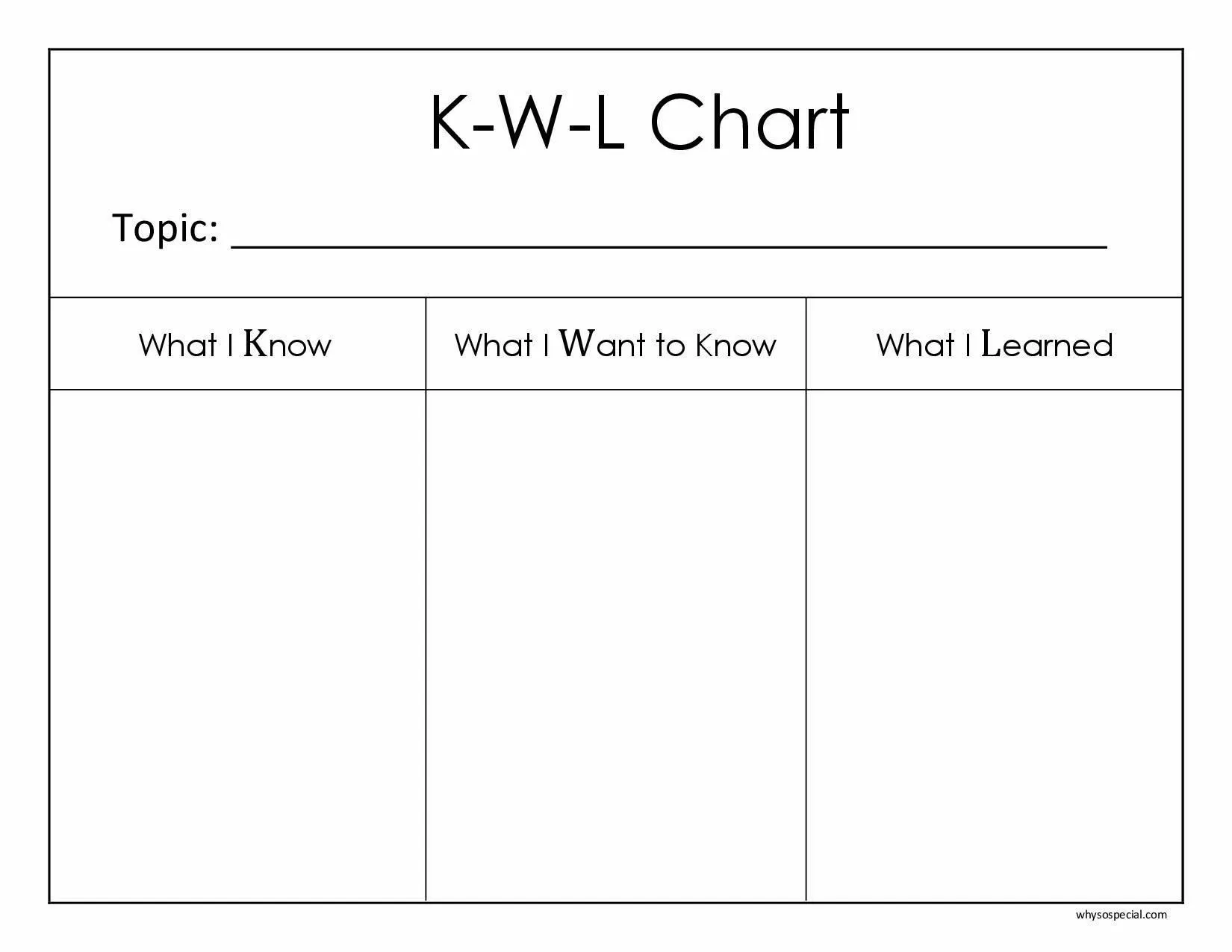
A KWL chart is a three-column graphic organizer that helps students activate their prior knowledge, set learning goals, and reflect on what they have learned. The acronym stands for “Know,” “Want to Know,” and “Learned,” representing the key phases of the learning process. The “Know” column is where students list what they already know about a topic, the “Want to Know” column is where they note down questions or areas of interest, and the “Learned” column is where they record new information or insights gained throughout the lesson or unit.
Using a KWL chart can help students engage with the material in a meaningful way, as it prompts them to think critically about what they already know, what they want to learn, and what they have learned. This tool not only helps students organize their thinking but also allows teachers to assess student understanding and tailor their instruction accordingly.
Why Use a KWL Chart?
KWL charts are versatile tools that can be used in a variety of educational settings and across different subjects. Here are some key reasons why you should consider incorporating KWL charts into your teaching practice:
Activating Prior Knowledge
One of the primary benefits of using a KWL chart is that it helps activate students’ prior knowledge. By prompting students to think about what they already know about a topic, the KWL chart encourages them to make connections between their existing knowledge and new information. This activation of prior knowledge can help students build on what they already know and deepen their understanding of the material.
Establishing Learning Goals
The “Want to Know” column of the KWL chart serves as a tool for students to set learning goals and formulate questions. By encouraging students to think about what they want to learn or explore further, the KWL chart helps guide their focus and engagement with the material. Setting learning goals can motivate students to actively seek out information and deepen their understanding of the topic at hand.
Prompting Reflection
Reflection is an essential part of the learning process, and the KWL chart provides a structured way for students to reflect on what they have learned. The “Learned” column allows students to record new information, insights, or key takeaways from the lesson or unit. By prompting students to reflect on what they have mastered, the KWL chart reinforces key concepts and enhances retention of the material.
Assessing Understanding
Teachers can use completed KWL charts as a formative assessment tool to gauge student understanding. By reviewing students’ responses in the “Know,” “Want to Know,” and “Learned” columns, teachers can identify areas where students may need additional support or clarification. This assessment of understanding can inform instructional decisions and help teachers tailor their lessons to meet the needs of all learners.
What to Include in a KWL Chart?
When creating a KWL chart for your students, it is essential to include the following components in each column:
- Know: In this column, students should list what they already know about the topic. Encourage them to brainstorm ideas, facts, or experiences related to the subject matter.
- Want to Know: This column is where students can jot down questions or areas of interest that they would like to explore further. Encourage them to think critically and consider what they hope to learn.
- Learned: In the final column, students should record new information, insights, or key takeaways from the lesson or unit. Encourage them to reflect on what they have learned and how it connects to their prior knowledge.
How to Use KWL Charts in the Classroom
There are several ways you can incorporate KWL charts into your teaching practice to enhance student engagement and understanding:
Introduce the Concept
Begin by explaining the purpose and structure of a KWL chart to your students. Model how to fill out each column using a relevant example to demonstrate the process. Provide clear instructions and examples to help students understand how to use the KWL chart effectively.
Activate Prior Knowledge
Ask students to brainstorm what they already know about the topic and record their ideas in the “Know” column. Encourage them to share their insights with their peers to foster collaboration and enrich their understanding of the material.
Set Learning Goals
Have students generate questions or areas of interest that they would like to explore further and write them in the “Want to Know” column. Use these questions to guide the lesson and focus their learning objectives. Encouraging students to set learning goals can help motivate them to actively engage with the material and seek out new information.
Reflect on Learning
Throughout the lesson or unit, encourage students to actively engage with the material and take notes on new information or key takeaways in the “Learned” column. At the end of the lesson, revisit the KWL chart as a class to reflect on what has been learned and discuss any new insights gained. Reflecting on their learning process can help students solidify their understanding and make connections between different concepts.
Assess Understanding
Use the completed KWL charts to assess student understanding and identify areas where further clarification or reinforcement may be needed. Reviewing students’ responses in the “Know,” “Want to Know,” and “Learned” columns can help you gauge their comprehension of the material and tailor your instruction to meet their needs. Providing feedback on students’ completed KWL charts can help reinforce key concepts and clarify misconceptions, guiding them towards a deeper understanding.
Encourage Discussion
Facilitate class discussions around the KWL chart to promote critical thinking and deepen student understanding. Encourage students to share their reflections and insights with their peers, fostering a collaborative learning environment. Engaging in meaningful discussions can help students gain new perspectives, challenge their thinking, and enhance their overall comprehension of the material.
Promote Metacognition
Encourage students to reflect on their learning process and consider how their prior knowledge, questions, and new insights have shaped their understanding of the topic. Promoting metacognitive practices can help students become more self-regulated learners, enabling them to monitor their own learning progress, identify areas for improvement, and take ownership of their educational journey.
Use KWL Charts Across Subjects
KWL charts can be adapted for use in various subjects, from science and social studies to language arts and math. Consider how you can integrate KWL charts into different lessons to enhance student engagement and learning. By using KWL charts across multiple subjects, you can provide students with a consistent framework for organizing their thoughts and engaging with the material.
Provide Feedback
Offer feedback on students’ completed KWL charts to reinforce key concepts, clarify misconceptions, and guide their learning process. Use the charts as a formative assessment tool to inform your instruction and support student growth. Providing timely and constructive feedback can help students understand their strengths and areas for improvement, leading to enhanced learning outcomes.
Make it Fun
Engage students with interactive and creative activities related to the KWL chart, such as group brainstorming sessions, multimedia presentations, or hands-on projects. Encourage them to personalize their charts and make learning a fun and engaging experience. By incorporating elements of play and creativity, you can enhance student motivation, curiosity, and overall enjoyment of the learning process.
Tips for Using KWL Charts Effectively
Here are some additional tips to help you maximize the effectiveness of KWL charts in your classroom:
- Encourage Collaboration: Foster a collaborative learning environment where students can share their ideas, questions, and insights with their peers. Encouraging collaboration can help students deepen their understanding through discussion and peer feedback.
- Provide Support: Offer guidance and assistance to students as they fill out their KWL charts, helping them develop critical thinking and metacognitive skills. Providing support can help students navigate the process and gain confidence in their ability to engage with the material.
- Make it Interactive: Incorporate interactive elements such as group discussions, brainstorming sessions, or multimedia presentations to engage students with the material. Interactive activities can enhance student engagement, promote active learning, and cater to diverse learning styles.
- Connect to Real-World Examples: Relate the topic to real-world examples or experiences to help students make connections and deepen their understanding. Connecting the material to real-life contexts can make learning more relevant and meaningful for students.
- Use KWL Charts Consistently: Integrate KWL charts into your teaching practice on a regular basis to reinforce key concepts, promote reflection, and enhance student learning. Consistent use of KWL charts can help students develop strong metacognitive skills and become more independent learners.
- Provide Feedback and Reflection Opportunities: Offer feedback on students’ completed KWL charts and encourage them to reflect on their learning process to promote continuous growth and improvement. Providing opportunities for reflection can help students identify areas for development and set goals for future learning.
- Adapt to Student Needs: Modify the use of KWL charts based on the needs and preferences of your students, tailoring the approach to meet the diverse learning styles and abilities in your classroom. Adapting the use of KWL charts can help accommodate the individual needs of students and ensure that all learners can benefit from this effective tool.
By incorporating KWL charts into your teaching practice and following these tips, you can help students engage with the material, deepen their understanding of the topics being taught, and become more self-regulated learners. Whether you are teaching a new concept, exploring a complex issue, or reviewing key ideas, KWL charts can guide students through the learning process and make education a more interactive and meaningful experience.
KWL Chart Template – DOWNLOAD

- Monthly Profit And Loss Statement Template - March 2, 2026
- Free Nurse Resignation Letter Template (Word) - February 28, 2026
- Free Printable Nursing Notes Template - February 27, 2026
