Reference lists play a crucial role in any academic or professional document. They provide credibility to your work and allow readers to trace the sources of your information.
In this guide, we will explore what reference lists are, why they are important, what to include in them, how to format them correctly, and some tips for creating an effective reference list.
What is a Reference List?
A reference list is a detailed list of all the sources you have cited or consulted in your work. It includes books, articles, websites, and other materials that have contributed to the information presented in your document. A reference list typically appears at the end of a paper or presentation and follows a specific citation style, such as APA, MLA, or Chicago.
Creating a reference list is essential for giving credit to the original authors and avoiding plagiarism. It also allows readers to verify the information you have presented and explore the sources further if they are interested.
Why are Reference Lists Important?
Reference lists serve several important purposes in academic and professional writing:
– They give credit to the original authors and acknowledge their work.
– They demonstrate the credibility and reliability of your research.
– They provide a roadmap for readers to locate and verify the sources of your information.
– They help you avoid plagiarism by properly citing the sources you have used.
– They contribute to the overall professionalism and academic integrity of your work.
What to Include in a Reference List
When creating a reference list, make sure to include the following elements for each source:
– Author(s) or creator(s) of the source
– Publication date
– Title of the source
– Publication or source title
– Page numbers (if applicable)
– URL or DOI (for online sources)
– Citation style format (APA, MLA, Chicago, etc.)
Ensure that your reference list is organized alphabetically by the last name of the author or creator. Double-check the formatting and punctuation to ensure accuracy and consistency throughout the list.
Examples
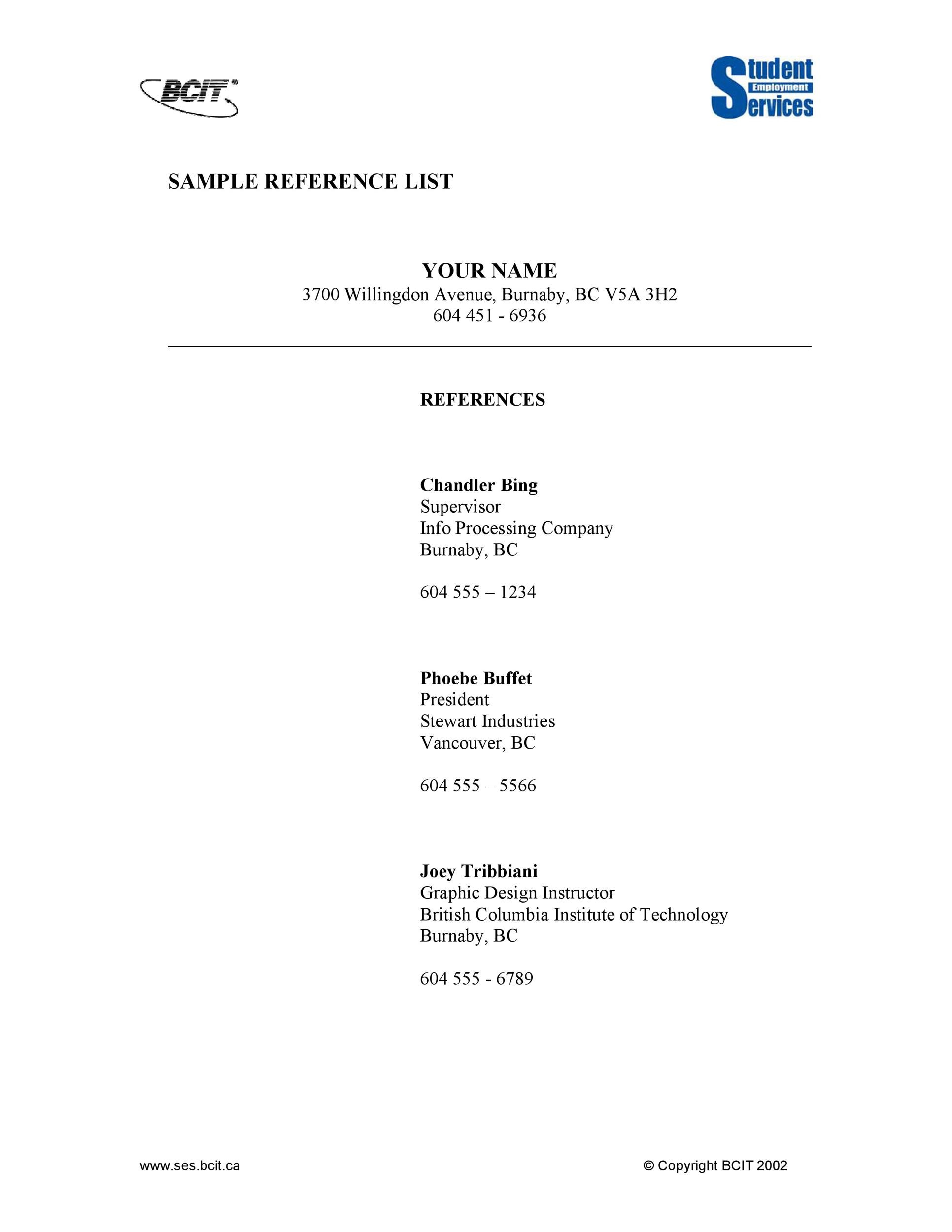
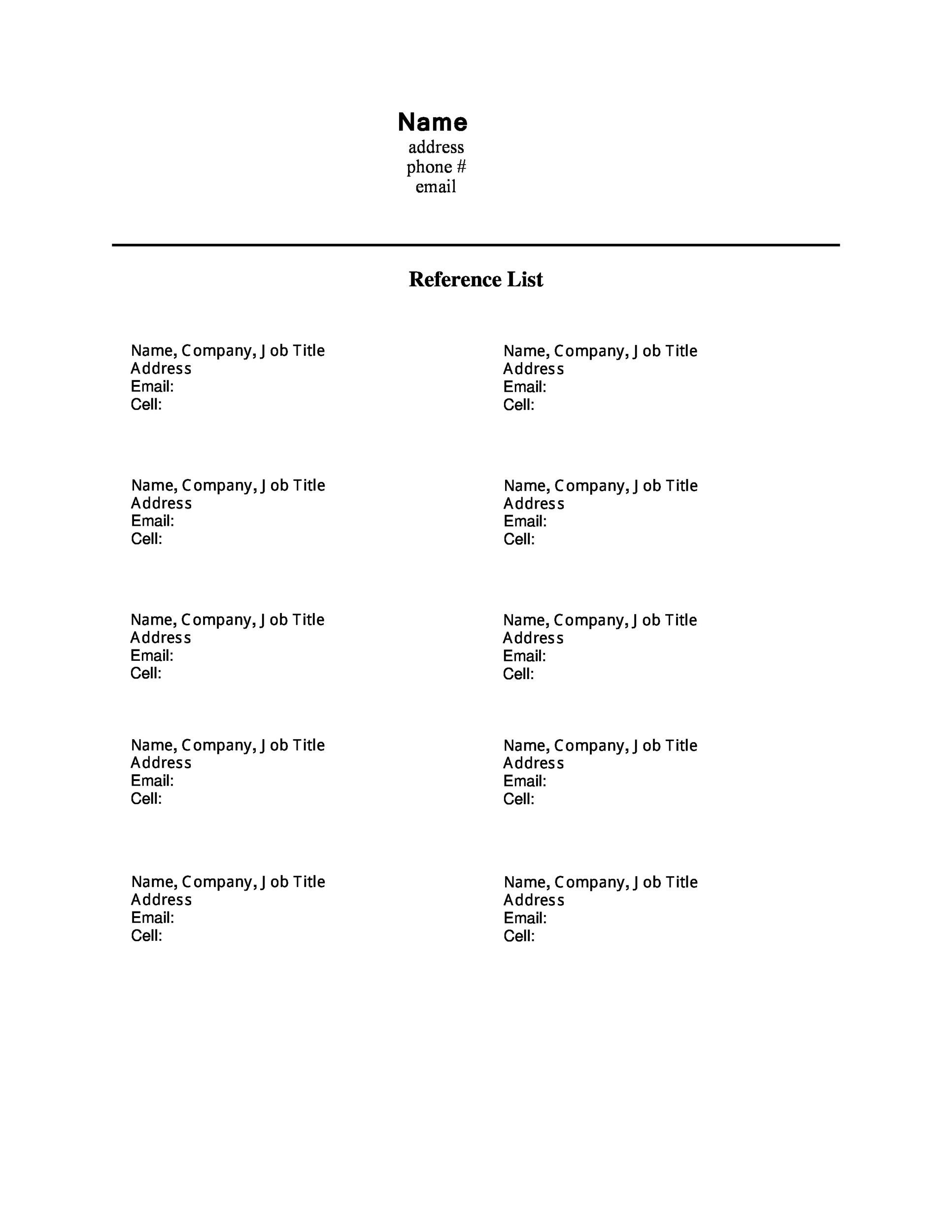
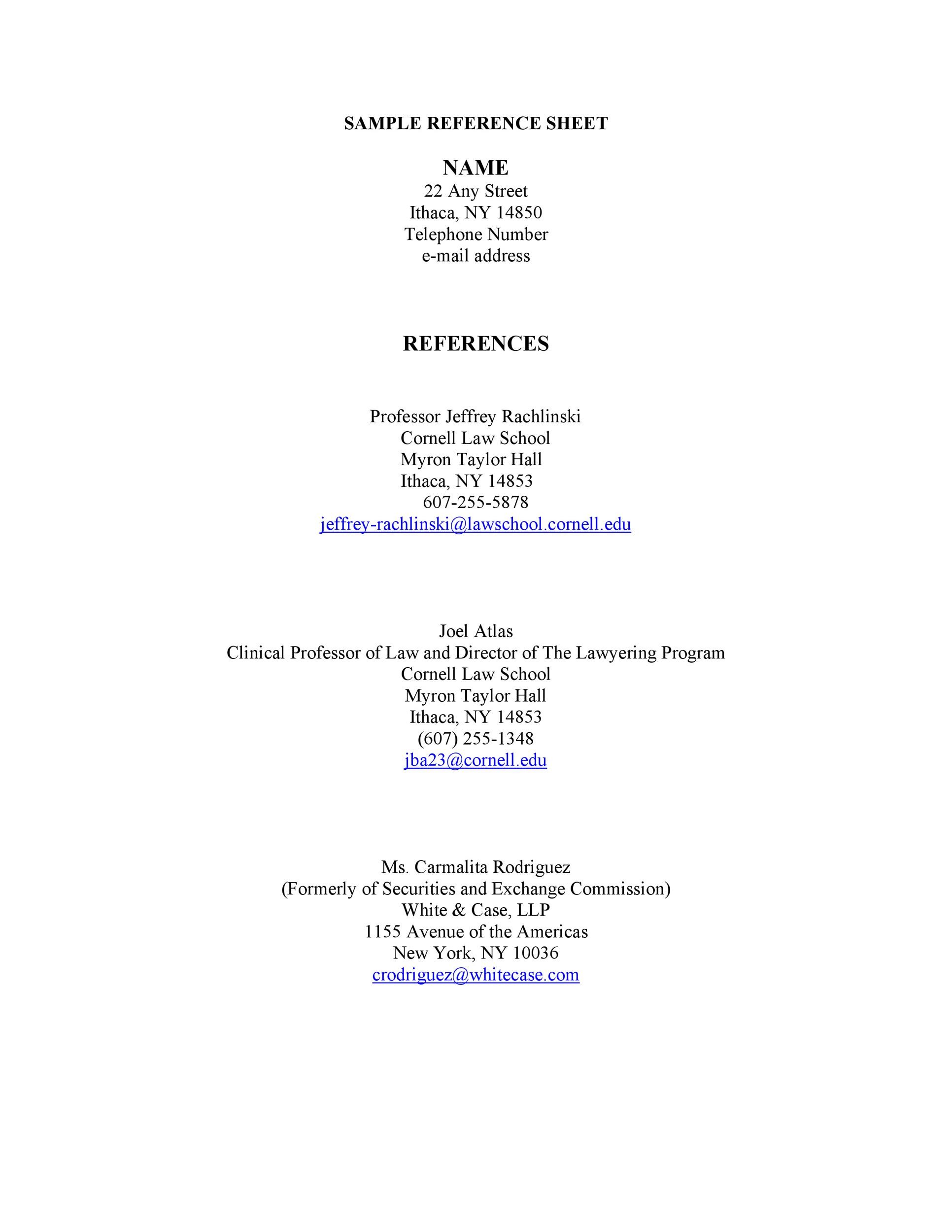
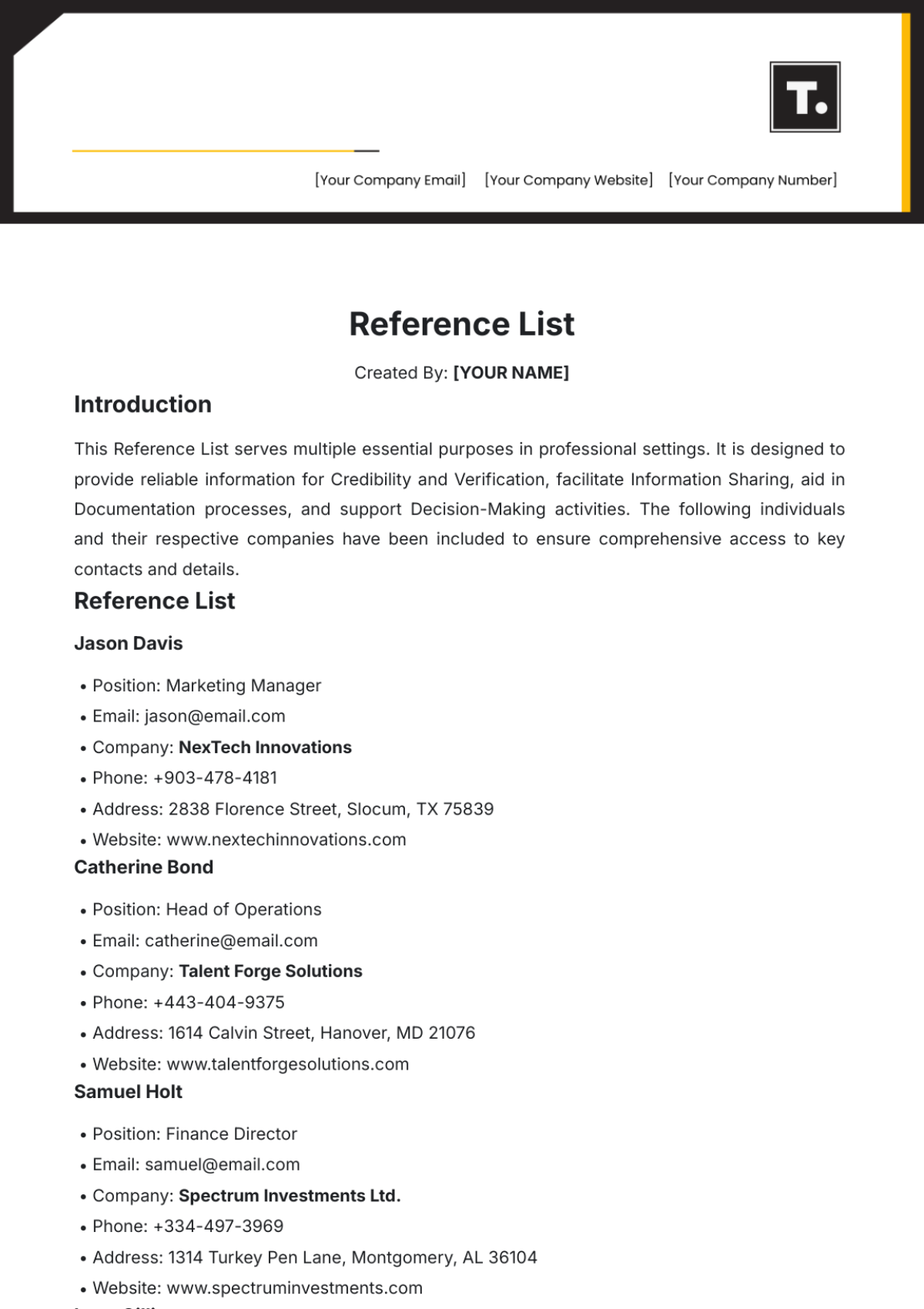
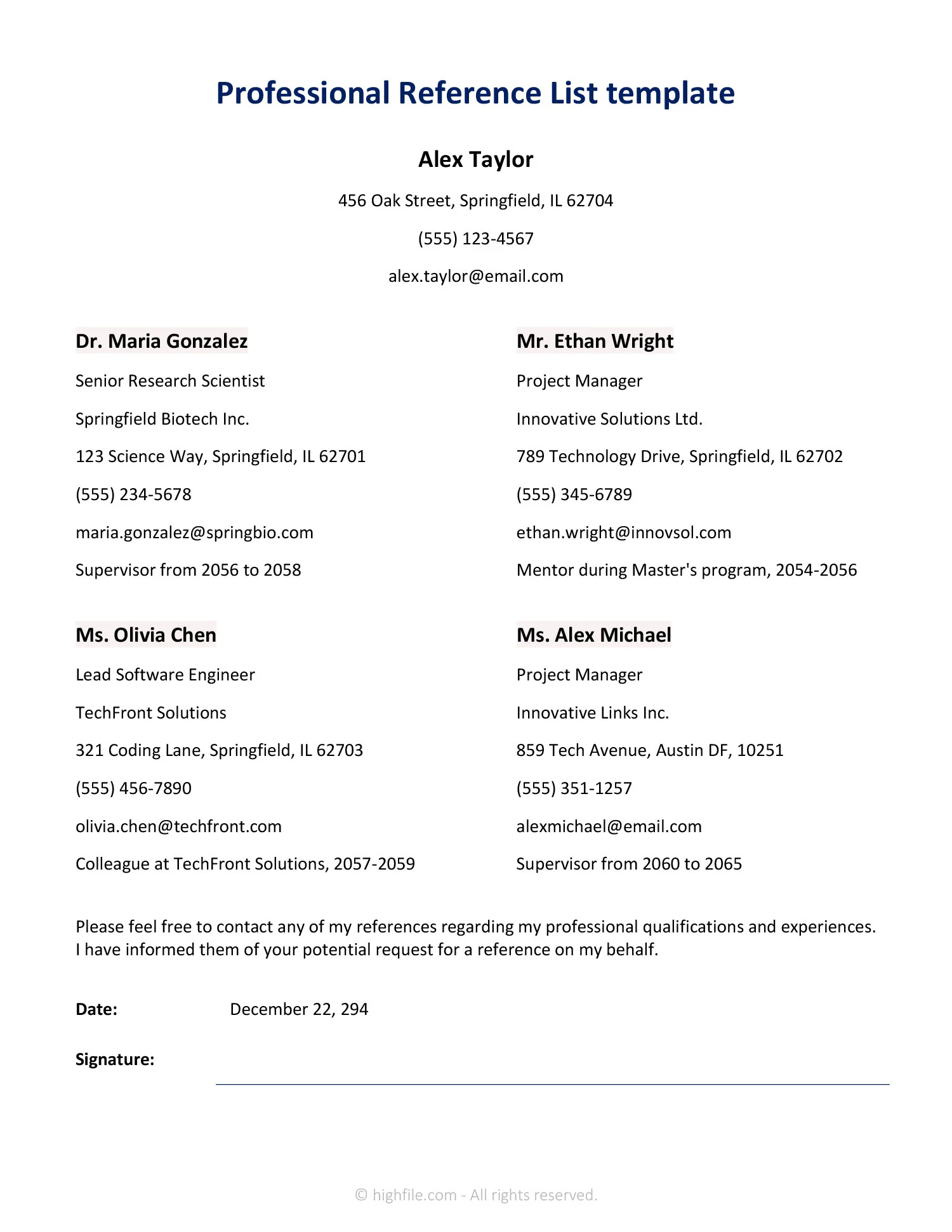
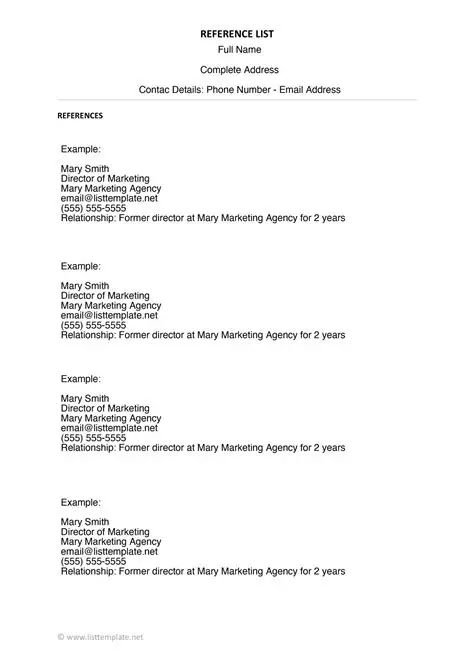
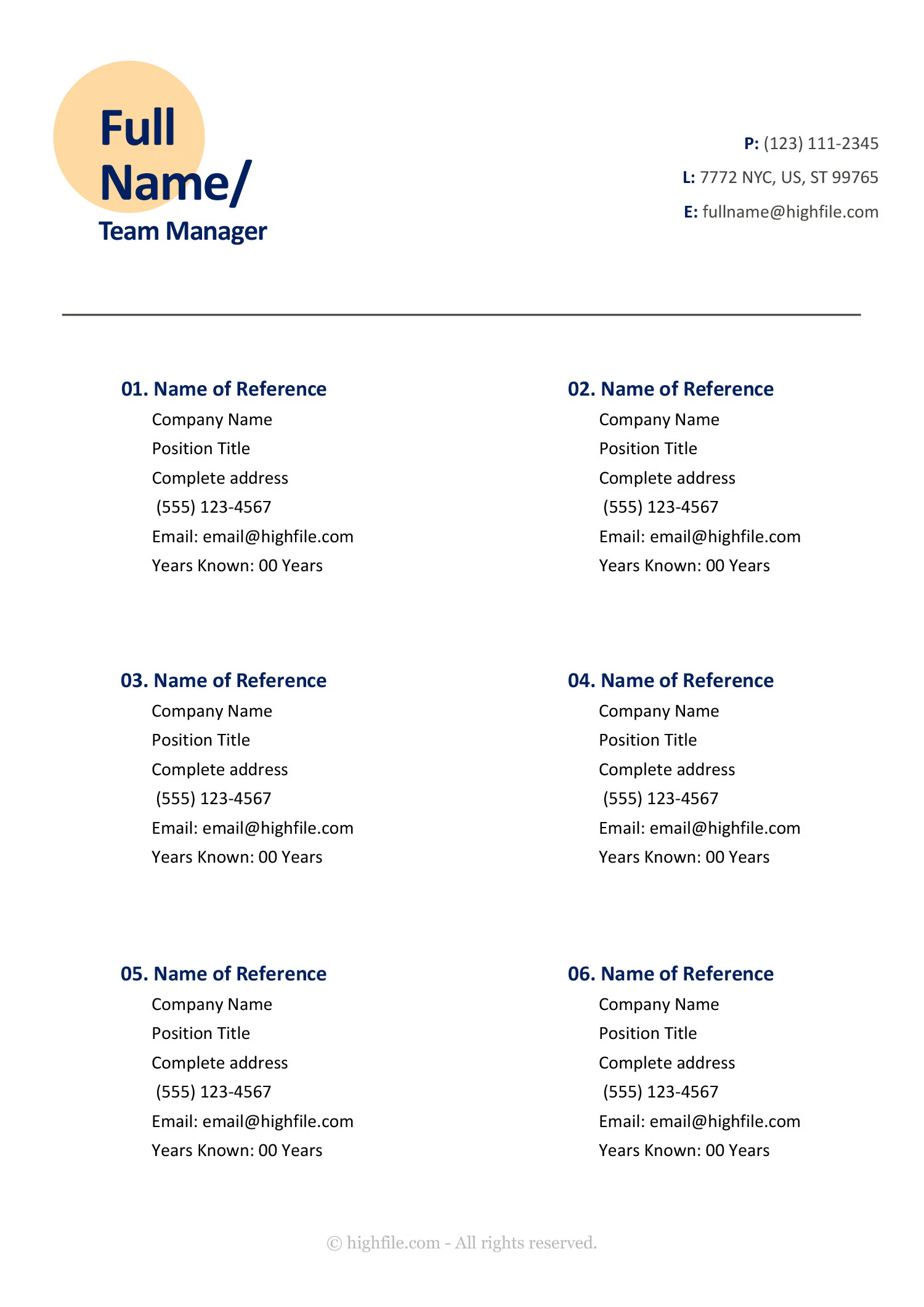
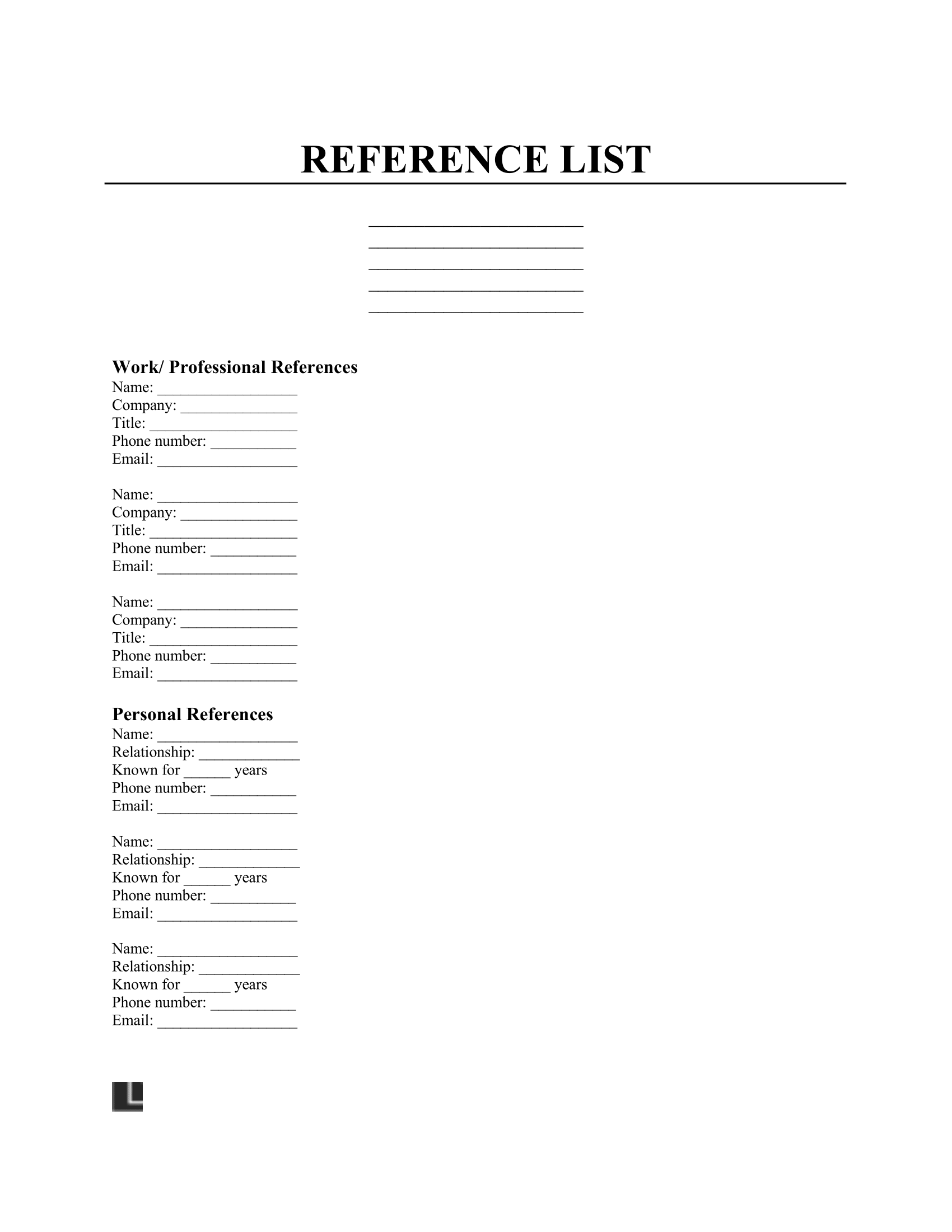
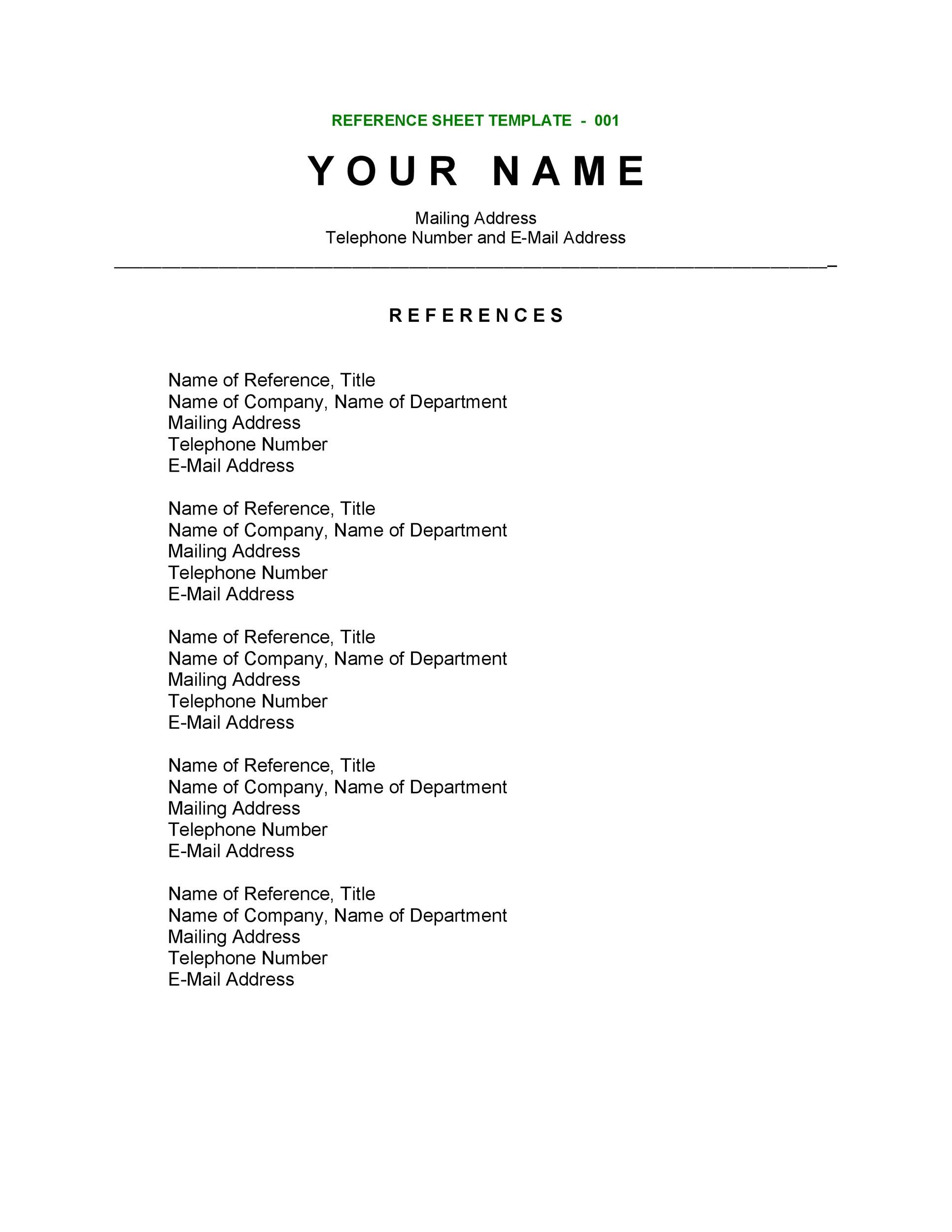
How to Format a Reference List
Formatting a reference list depends on the citation style you are using. Here are some general guidelines to follow:
– Use a hanging indent for each entry (first line flush left, subsequent lines indented).
– Organize entries alphabetically by author’s last name.- Include all necessary information for each source.
– Use italics for titles of larger works (books, journals) and quotation marks for titles of shorter works (articles, chapters).
Consult the specific guidelines for your chosen citation style to ensure that your reference list meets all the requirements.
Tips for Creating an Effective Reference List
– Double-check all the information in your reference list for accuracy and completeness.
– Use citation management tools like EndNote or Zotero to help you organize and format your references.
– Familiarize yourself with the specific requirements of the citation style you are using.
– Be consistent in your formatting and citation style throughout the reference list.
– Ask a colleague or mentor to review your reference list for any errors or inconsistencies.
– Remember to update your reference list if you add or remove sources during the writing process.
By following these guidelines and tips, you can create a well-organized and professional reference list that enhances the credibility and integrity of your work.
Reference List Template – Download

- Cash Flow Statement Template - October 15, 2026
- Cash Flow Forecast Template - October 15, 2026
- Free Printable Caregiver Schedule Template - October 15, 2026
