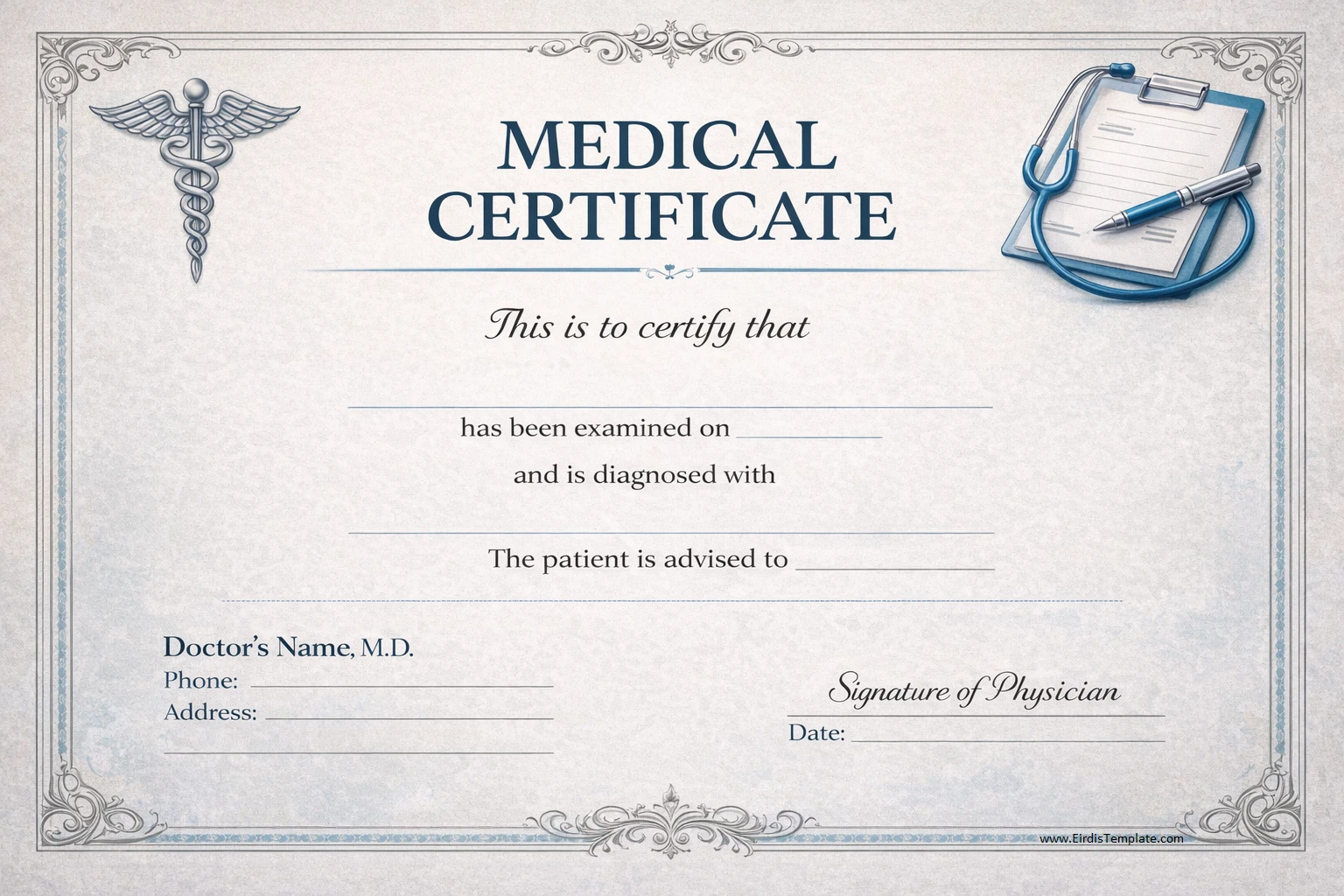
What is a Medical Certificate?
A medical certificate is a vital document that serves as an official, medically substantiated statement about an individual’s health status. This document is issued by a qualified healthcare professional and is often required by various third parties, such as employers, schools, insurance companies, or legal entities.
A medical certificate can range from a simple statement confirming an illness to a detailed report outlining the diagnosis, treatment plan, and expected recovery time. It acts as a formal record of a person’s health condition at a specific point in time.
Why Do You Need a Medical Certificate?
There are several reasons why a medical certificate may be required in various situations.
Proving Medical Condition
One of the key reasons for needing a medical certificate is to provide evidence of a person’s medical condition. In situations where an individual is seeking disability benefits, requesting workplace accommodations, or justifying prolonged absences, a medical certificate can serve as a formal record of the individual’s health status. By clearly outlining the diagnosis, treatment plan, and expected recovery time, a medical certificate helps third parties understand the individual’s medical needs and make appropriate decisions based on the provided information.
Justifying Absences
In cases of illness, injury, or medical appointments, a medical certificate can be used to justify absences from work, school, or other commitments. By providing a valid medical reason for the absence, individuals can ensure that their time off is legitimate and supported by medical evidence. This not only protects the individual’s rights but also helps employers and educational institutions understand the reason for the absence and plan accordingly to accommodate the individual’s needs.
Confirming Fitness for Work or Activities
Employers may request a medical certificate to confirm an employee’s fitness for work or participation in specific activities. This is especially important in jobs that require physical or mental fitness, such as roles involving heavy machinery, healthcare services, or public safety. A medical certificate can assure employers that the employee is capable of performing their job duties without compromising their health or safety. It also helps prevent workplace accidents or injuries by ensuring that employees are fit for the tasks assigned to them.
Supporting Insurance Claims
Insurance companies often require a medical certificate to process claims related to health conditions, injuries, or accidents. By providing a detailed medical report outlining the diagnosis, treatment received, and prognosis of the individual’s health condition, a medical certificate helps insurance companies assess the validity of the claim and determine the appropriate coverage. This ensures that individuals receive fair compensation for their medical expenses and any related damages covered under their insurance policy.
Documenting Need for Accommodations
Individuals with disabilities or medical conditions may need a medical certificate to document their need for reasonable accommodations in the workplace or educational settings. Whether it is requesting a modified work schedule, adaptive equipment, or additional support services, a medical certificate can provide the necessary evidence to support the individual’s accommodation request. By clearly outlining the limitations or restrictions imposed by the medical condition, a medical certificate helps employers and educational institutions make informed decisions to accommodate the individual’s needs effectively.
Key Elements of a Medical Certificate
Patient Information
One of the key elements of a medical certificate is the patient information section, which includes details such as the patient’s name, date of birth, address, and contact information. This information helps identify the individual for whom the medical certificate is issued and ensures that the document is accurately attributed to the correct person. Healthcare professionals must verify the patient’s identity and confirm the accuracy of the provided information before issuing a medical certificate to prevent any misunderstandings or misinterpretations.
Healthcare Provider Information
The healthcare provider information section of a medical certificate includes details about the healthcare professional issuing the document, such as their name, credentials, specialty, and contact information. This information is essential for verifying the legitimacy of the medical certificate and ensuring that it is issued by a qualified healthcare provider. It also allows third parties to contact the healthcare provider for additional information or clarification if needed, thereby enhancing the credibility and reliability of the medical certificate.
Medical Condition and Diagnosis
The core component of a medical certificate is the medical condition and diagnosis section, which outlines the patient’s health status, including the diagnosed medical condition or illness. Healthcare professionals must provide a clear and accurate description of the medical condition, supported by relevant medical records, test results, and clinical findings. By specifying the diagnosis, treatment plan, and expected recovery time, healthcare providers help third parties understand the nature and severity of the medical condition and make informed decisions based on the provided information.
Treatment Plan and Prognosis
In addition to the medical diagnosis, a medical certificate may include details about the treatment plan and prognosis of the individual’s health condition. This section outlines the recommended course of treatment, including medication, therapy, surgery, or other interventions, to manage the medical condition effectively. It also provides information about the expected recovery time, potential complications, and long-term prognosis of the medical condition, helping third parties assess the individual’s health status and make appropriate decisions based on the provided information.
Restrictions or Limitations
Another essential element of a medical certificate is the restrictions or limitations section, which specifies any restrictions on activities or work duties due to the medical condition. Healthcare professionals must outline any physical, mental, or functional limitations imposed by the medical condition to ensure the individual’s health and safety. By clearly defining the restrictions or limitations, employers, educational institutions, insurance companies, or legal entities can assess the individual’s capacity to perform specific tasks and make necessary accommodations to support their well-being and recovery.
Validity Period
The validity period of a medical certificate indicates the duration for which the document is considered valid and applicable. Healthcare professionals must specify the start date and end date of the medical certificate to ensure that third parties understand the time frame for which the provided medical information is relevant. It is essential for individuals to adhere to the validity period specified in the medical certificate and renew or update the document as needed to maintain its accuracy and relevance for ongoing medical conditions or treatments.
How to Obtain a Medical Certificate
Schedule an Appointment
The first step in obtaining a medical certificate is to schedule an appointment with a healthcare provider. Individuals can contact their primary care physician, specialist, or healthcare facility to arrange a medical evaluation and request a medical certificate for the intended purpose. It is essential to communicate the reason for needing the medical certificate and provide any relevant information or documentation to facilitate the evaluation process and ensure that the healthcare provider can address the specific requirements effectively.
Medical Examination
During the medical appointment, individuals undergo a thorough medical examination conducted by the healthcare provider. The examination may include physical assessments, medical history review, diagnostic tests, and consultations to assess the individual’s health status accurately. Healthcare professionals may ask questions about the individual’s symptoms, medical history, lifestyle factors, and any existing health conditions to gather relevant information for issuing the medical certificate. It is important for individuals to be honest and transparent during the medical examination to enable the healthcare provider to make an informed assessment of their health condition.
Request a Medical Certificate
If needed, individuals can request a medical certificate from the healthcare provider specifying the purpose and duration of validity. It is essential to communicate the specific requirements or details that should be included in the medical certificate to ensure that the document meets the intended purpose effectively. Healthcare professionals will document the findings of the medical examination, outline the diagnosis, treatment plan, restrictions or limitations, and other relevant information in the medical certificate to provide a comprehensive overview of the individual’s health status.
Receive and Review
Once the medical certificate is issued by the healthcare provider, individuals should review the document carefully to ensure that all necessary information is included and accurate. It is important to verify the patient information, healthcare provider details, medical condition, diagnosis, treatment plan, restrictions or limitations, and validity period to confirm thatthe medical certificate aligns with the individual’s health status and the intended purpose of the document. If there are any discrepancies or inaccuracies in the medical certificate, individuals should communicate with the healthcare provider to address any concerns or request revisions to ensure the document reflects accurate information.
Submit as Required
After reviewing the medical certificate, individuals can submit the document to the relevant parties, such as employers, schools, insurance companies, or legal entities, as needed. It is important to follow any specific instructions provided by the requesting party regarding the submission process, format, or additional documentation required along with the medical certificate. By submitting the medical certificate on time and ensuring that all necessary information is provided, individuals can facilitate the processing of requests and support their needs effectively based on the medical information provided.
Tips for Using a Medical Certificate
Provide Accurate Information
To ensure the effectiveness of a medical certificate, individuals must provide accurate and up-to-date information during the medical examination and when requesting the document from the healthcare provider. It is important to communicate openly about symptoms, medical history, current health conditions, and any relevant details that may impact the accuracy of the medical certificate. By providing honest and comprehensive information, individuals can help healthcare providers issue a detailed and accurate medical certificate that meets their specific needs and supports their well-being.
Follow Instructions
When using a medical certificate, individuals should adhere to any instructions or limitations specified in the document to prevent misunderstandings or complications. It is important to follow the treatment plan, restrictions, or limitations outlined in the medical certificate to ensure the individual’s health and safety. By complying with the recommendations provided in the document, individuals can facilitate their recovery process, prevent additional health risks, and support the effectiveness of the medical certificate in addressing their health needs.
Keep a Copy
It is advisable to retain a copy of the medical certificate for personal records and future reference. By keeping a copy of the document, individuals can easily access the information provided in the medical certificate and present it to relevant parties as needed. Retaining a copy of the medical certificate also serves as a backup in case the original document is lost or misplaced, ensuring that individuals have access to the necessary medical information for ongoing health management or future requests that may require validation of their health status.
Communicate Clearly
Effective communication with relevant parties about the contents of the medical certificate is essential to ensure that the document is understood and accommodated accordingly. It is important to communicate openly with employers, educational institutions, insurance companies, or legal entities about the information provided in the medical certificate, any restrictions or limitations imposed by the medical condition, and any accommodations or support needed to address the individual’s health needs effectively. By fostering clear and transparent communication, individuals can facilitate understanding and cooperation among all parties involved in managing their health status based on the medical information provided in the certificate.
Medical Certificate Template – DOWNLOAD

- Free Printable T-Chart Template - September 12, 2026
- Free Printable Wanted Poster Template - September 12, 2026
- Surprise Party Invitation Template - September 12, 2026
