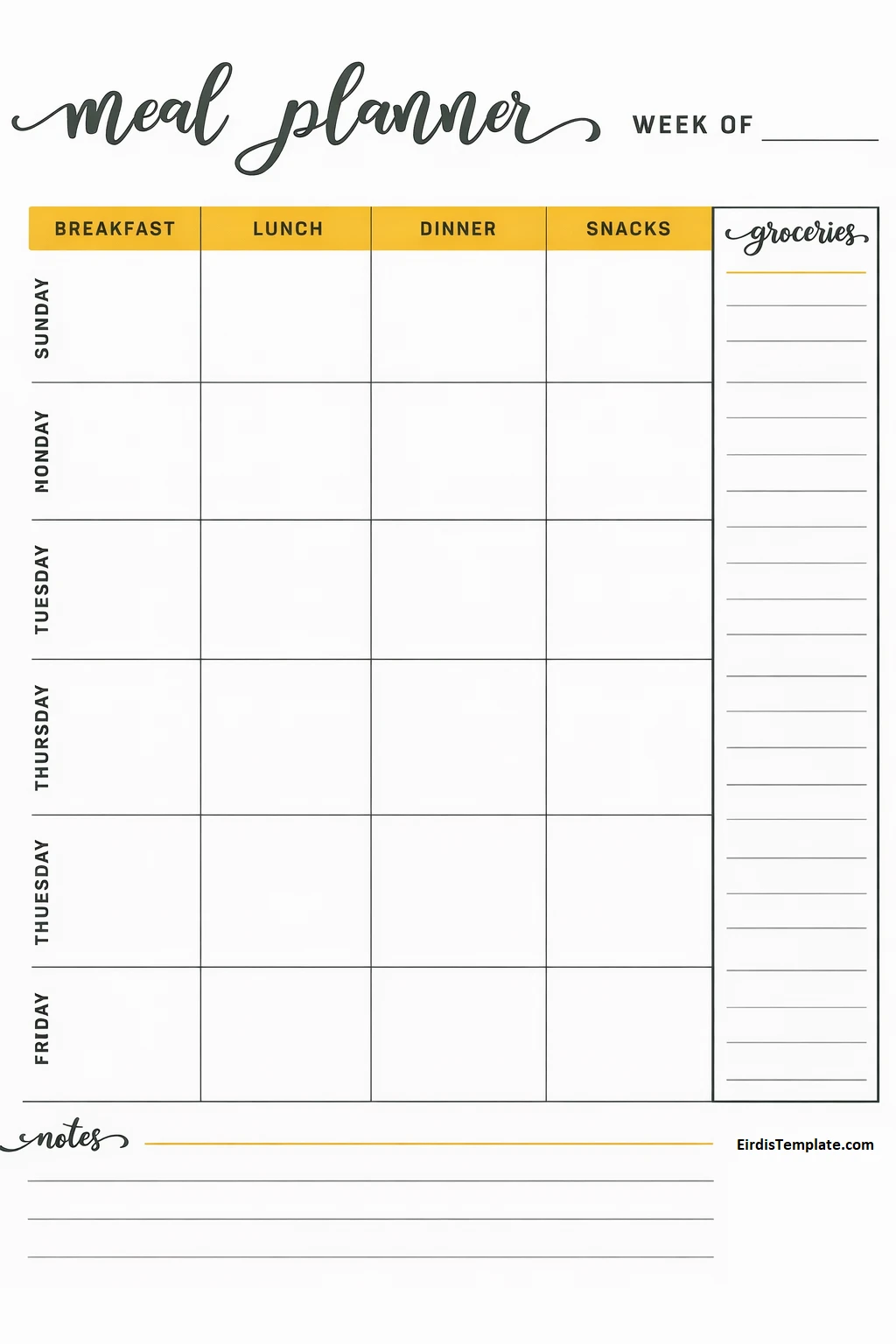
Meal planning is a proactive approach to organizing your food choices for a specific period, typically a week. It is a strategy that can save you time and money, reduce stress, and support your health goals. By planning your meals, you can ensure that you are eating healthier, avoiding impulse buys and takeout, reducing food waste, and maintaining a balanced diet.
In this article, we will explore the what, why, and how of meal planning, as well as provide tips on what to include in your meal plan.
What is Meal Planning?
Meal planning involves creating a blueprint for your meals for a specific period, such as a week. It typically includes deciding what to eat for breakfast, lunch, dinner, and snacks, as well as making a shopping list of the ingredients you will need.
Meal planning allows you to be intentional about your food choices and can help you stick to your health and wellness goals.
Benefits of Meal Planning
Meal planning offers a multitude of benefits that go beyond just saving time and money. By taking the time to plan your meals, you can ensure that you are consuming a balanced diet, reduce food waste, and even improve your cooking skills. Additionally, meal planning can help you discover new recipes, try different cuisines, and expand your culinary horizons.
One significant benefit of meal planning is that it can help you develop healthier eating habits. When you plan your meals, you are more likely to make mindful choices about the foods you consume. This can lead to a more nutritious diet, as you have the opportunity to include a variety of fruits, vegetables, whole grains, lean proteins, and healthy fats in your meals.
Another advantage of meal planning is that it can save you money in the long run. By creating a shopping list based on your meal plan and sticking to it, you can avoid impulse buys and unnecessary purchases. This not only reduces your grocery bill but also minimizes food waste, as you are more likely to use up all the ingredients you buy.
Furthermore, meal planning can help you reduce stress and streamline your daily routine. Knowing what you will be eating for each meal eliminates the need to make last-minute decisions or rush to figure out what to cook. This can make meal times more relaxed and enjoyable, as you have already planned and prepared ahead of time.
How to Get Started with Meal Planning
Embarking on your meal planning journey may seem daunting at first, but with a few simple steps, you can create a plan that works for you. Here’s how to get started:
1. Set Aside Time
Allocate a specific time each week to sit down and plan your meals. This could be on a Sunday afternoon or any day that works best for your schedule. By setting aside dedicated time for meal planning, you are more likely to follow through and stick to your plan.
2. Assess Your Goals
Before diving into meal planning, take a moment to reflect on your health and wellness goals. Are you looking to eat more vegetables, reduce your sugar intake, or incorporate more plant-based meals into your diet? Understanding your objectives can help guide your meal planning decisions and ensure that your meals align with your aspirations.
3. Choose Your Recipes
Once you have set your goals, it’s time to select the recipes you will be preparing for the week. Consider recipes that are nutritious, delicious, and align with your dietary preferences. You can choose to repeat favorite meals or experiment with new dishes to keep things exciting.
4. Make a Shopping List
After finalizing your recipes, create a comprehensive shopping list that includes all the ingredients you will need. Be sure to check your pantry and fridge to see what items you already have on hand and only purchase what is necessary. Organize your list by categories, such as produce, proteins, grains, and pantry staples, to make shopping more efficient.
5. Prep Ahead
To make your week go smoothly, consider prepping some ingredients in advance. This could include washing and chopping vegetables, marinating proteins, or cooking grains and legumes. By doing some of the prep work ahead of time, you can save time during the week and make meal preparation a breeze.
6. Stick to Your Plan
Once you have your meal plan in place, do your best to stick to it throughout the week. This means following the recipes you have chosen, using up the ingredients you purchased, and avoiding the temptation to deviate from your plan. Consistency is key when it comes to successful meal planning.
7. Reflect and Adjust
At the end of the week, take some time to reflect on how your meal plan worked for you. Did you enjoy the meals you prepared? Were there any recipes that didn’t turn out as expected? Use this feedback to adjust your meal plan for the following week, making any necessary changes or improvements based on your experience.
8. Stay Flexible
While meal planning can provide structure and organization to your eating habits, it’s essential to remain flexible and adaptable. Life is unpredictable, and there may be days when you need to deviate from your plan due to unexpected events or changing preferences. Embrace flexibility and make adjustments as needed to ensure that meal planning remains a positive and sustainable practice.
What to Include in Your Meal Plan?
When creating your meal plan, there are several factors to consider to ensure that your meals are balanced, nutritious, and satisfying. Here are some key elements to include in your meal plan:
Dietary Preferences
Take into account any dietary restrictions or preferences you may have when planning your meals. Whether you follow a specific diet like vegetarian, vegan, or gluten-free, or have allergies or intolerances to certain foods, it’s essential to tailor your meal plan to meet your individual needs.
Nutritional Balance
Your meal plan should incorporate a variety of food groups to ensure that you are getting all the essential nutrients your body needs. Aim to include fruits and vegetables, whole grains, lean proteins, and healthy fats in each meal to promote overall health and well-being.
Portion Control
Keeping portion sizes in check is an important aspect of meal planning. By understanding appropriate serving sizes for different foods, you can prevent overeating and maintain a healthy weight. Use measuring cups, scales, or visual cues to portion out your meals accurately.
Variety
Include a diverse range of foods in your meal plan to prevent boredom and ensure that you are meeting all your nutritional requirements. Rotate different fruits and vegetables, try new grains and proteins, and experiment with herbs and spices to keep your meals interesting and flavorful.
Meal Timing
Consider the timing of your meals when creating your plan. Think about when you will be eating breakfast, lunch, dinner, and snacks, and try to space your meals evenly throughout the day to maintain energy levels and prevent overeating. Listen to your body’s hunger cues and adjust your meal times as needed.
Tips for Successful Meal Planning
To help you make the most of your meal planning efforts, here are some additional tips and tricks to consider:
Batch Cooking
Batch cooking involves preparing larger quantities of food at once and portioning them out for multiple meals throughout the week. This can save you time and effort on busy days when you don’t feel like cooking from scratch.
Use Leftovers
Don’t let leftovers go to waste! Get creative with repurposing leftover ingredients or meals into new dishes. For example, leftover roasted vegetables can be added to salads or soups, or cooked grains can be turned into a grain bowl with fresh toppings.
Try New Recipes
Experiment with new recipes to keep your meal plan exciting and diverse. Look for inspiration from cookbooks, food blogs, or cooking shows, and don’t be afraid to step out of your comfort zone and try new ingredients or cuisines.
Involve Family Members
If you are meal planning for a family, get input from other members on meal ideas and preferences. This can help ensure that everyone is satisfied with the meal plan and encourage family members to try new foods and flavors together.
Stay Organized
Keep your meal plan and shopping list in a visible place, such as on the fridge or in a dedicated notebook or app. This will help you stay on track throughout the week and avoid the stress of not knowing what to cook or buy at the last minute.
Practice Mindful Eating
When it comes time to enjoy your meals, practice mindful eating by savoring each bite, paying attention to hunger and fullness cues, and eating without distractions. This can help you appreciate the flavors and textures of your food and prevent overeating.
Seek Inspiration
Don’t be afraid to seek inspiration from other sources when meal planning. Follow food bloggers or chefs on social media, attend cooking classes or workshops, or join online communities dedicated to sharing meal planning tips and ideas for creative and delicious meals.
Creating a Sustainable Meal Plan
As you continue on your meal planning journey, focus on creating a sustainable plan that works for you in the long term. Sustainability in meal planning involves finding a balance between convenience, health, budget, and enjoyment. Here are some tips for creating a sustainable meal plan:
Set Realistic Goals
When creating your meal plan, set realistic and achievable goals that align with your lifestyle and preferences. Avoid setting overly restrictive or ambitious goals that may be challenging to maintain. Start small, build consistency, and make adjustments as needed.
Build Variety
Include a variety of foods in your meal plan to prevent monotony and ensure that you are getting a range of nutrients. Experiment with different cuisines, cooking techniques, and ingredients to keep your meals exciting and flavorful. Rotate seasonal produce, try new recipes, and challenge yourself to step out of your culinary comfort zone.
Listen to Your Body
Prioritize listening to your body’s hunger and fullness cues when planning and eating your meals. Eat when you are hungry, stop when you are satisfied, and pay attention to how different foods make you feel. Tune into your body’s signals to guide your meal choices and portion sizes.
Practice Flexibility
While meal planning offers structure and organization, it’s important to embrace flexibility and adaptability. Life can be unpredictable, and there may be days when your meal plan needs to be adjusted due to unexpected events or changing circumstances. Be willing to make changes on the fly and find creative solutions to accommodate changes in your schedule or preferences.
Seek Support
Meal planning can be a challenging but rewarding endeavor. Don’t hesitate to seek support from friends, family members, or online communities for inspiration, motivation, and accountability. Share your meal planning successes and challenges with others, exchange recipe ideas, and celebrate your progress together.
Celebrate Your Successes
Take time to celebrate your meal planning successes and acknowledge the progress you have made towards your health and wellness goals. Whether you successfully stuck to your meal plan for the week, tried a new recipe, or discovered a favorite dish, pat yourself on the back for your efforts. Recognize the value of meal planning in supporting your overall well-being.
By incorporating these tips and strategies into your meal planning routine, you can create a sustainable plan that supports your health, saves you time and money, and brings joy to your meals. Remember that meal planning is a journey, not a destination, and that each week presents a new opportunity to nourish your body, expand your culinary skills, and enjoy delicious and nutritious meals.
Meal Plan Template – DOWNLOAD

- Free Printable T-Chart Template - September 12, 2026
- Free Printable Wanted Poster Template - September 12, 2026
- Surprise Party Invitation Template - September 12, 2026
